Automakers are turning to carbon credit pooling to meet targets and avoid fines with stricter European Union (EU) emission regulations set for 2025. Electric vehicle (EV) makers like Tesla and Polestar are key players in this strategy, using their fully electric fleets to generate surplus carbon credits.
EU Rules Drive Carbon Credit Market
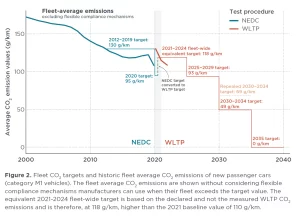
Under EU rules, automakers must meet strict carbon emission limits for their fleets, with the following rules to adhere:
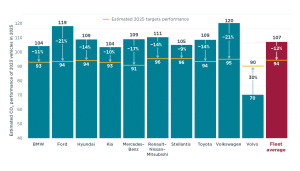
A report analyzing 2023 data estimates carbon reduction targets for car manufacturers in 2025, considering adjusted plug-in hybrid vehicle emissions and zero- and low-emission vehicle incentives.
Volkswagen and Ford: Face the largest challenge, requiring around 21% CO₂ reductions.
Hyundai, Mercedes-Benz, and Toyota: Need reductions exceeding the average of 12%.
BMW, Kia, Stellantis: Closest to meeting targets, requiring cuts of 9%–11%.
Note: The 2025 targets are adjusted for expected changes in plug-in hybrid CO2 emissions. Data (sorted alphabetically) is shown for the 10 largest, leaving aside Tesla, a manufacturer that solely sells BEVs.
These projections highlight the varying levels of effort needed across the automotive sector to meet emissions goals. To address this concern, carmakers plan to pool carbon emissions credits as auto lobby ACEA pushes for relief on the EU’s 2025 regulations. Some governments, including Italy, have also advocated for suspending 2025 fines.
Companies falling short can pool their emissions with leaders like Tesla, buying credits to reduce their overall carbon averages. This allows manufacturers to avoid penalties that could total hundreds of millions of euros.
Several automakers, including Stellantis, Toyota, Ford, Mazda, and Subaru, are joining Tesla’s emissions pool. Meanwhile, Mercedes has partnered with Polestar, Volvo Cars, and Smart. These alliances highlight a growing reliance on carbon credit trading to bridge the gap between current emissions and regulatory targets.
For instance, Polestar and its partners expect a significant CO₂ surplus this year, with Polestar spokespersons confirming plans to sell credits to Mercedes. Volvo Cars, majority-owned by China’s Geely, also reported over a 40% reduction in global tailpipe emissions since 2018.
The two pools, led by Tesla and Mercedes, remain open to other carmakers, with application deadlines set for February 5 and 7, respectively. These deals are based on 2025 sales figures, but the filing did not disclose the volume of credits involved.
How Much Will It Cost for Automakers?
The stakes are high. EU regulators have warned automakers of fines that could reach €300 million for every missed percentage point of EV sales targets.
Renault CEO Luca De Meo estimates that the 2025 rules could cost European carmakers €15 billion ($15.6 billion).
To avoid these fines, manufacturers like Stellantis ramp up their EV sales. The group’s European operations chief, Jean-Philippe Imparato, recently outlined plans to increase EVs from 12% to 21% of sales to meet targets.
Pooling with Tesla offers a safety net, ensuring compliance while companies accelerate the transition to electric models.
Tesla’s Carbon Credit Surge: How the EV Giant is Raking in Billions
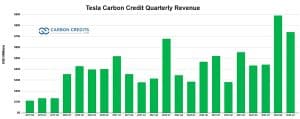
Tesla’s role in the carbon credit market cannot be overstated. In the third quarter of 2024, Tesla reported $739 million in revenue from carbon credit sales. This far surpasses the $539 million analysts predicted. This marks a 33% year-over-year increase and accounts for 34% of Tesla’s net income for the quarter.
Tesla’s carbon credits are highly profitable, as they can be sold at full margins. Since Tesla started selling these credits in 2009, they’ve become a billion-dollar revenue stream.
In 2023 alone, Tesla earned $1.79 billion from credit sales, the highest annual figure in its history.
These credits play a critical role in Tesla’s financial performance. They boost profits and provide a competitive edge, as traditional automakers face challenges reducing emissions from EV components like batteries and aluminum.
Tesla Partnerships and Global Impact
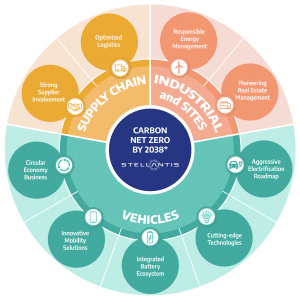
While Tesla rarely discloses its carbon credit buyers, industry reports highlight key collaborations. Stellantis, for example, has purchased billions in credits to offset emissions, aligning with its goal of achieving zero emissions by 2038.
Image from Stellantis
China is another key market for Tesla’s carbon credits. Reports suggest that a joint venture between Volkswagen and FAW Group may have purchased credits worth $390 million from Tesla in 2021. Though details remain scarce, these partnerships underline the global importance of Tesla’s credit sales.
Automakers’ Dual Strategy: Carbon Credit Pooling and EV Innovations
Pooling agreements are just one part of the equation to deal with the 2025 EU emission regulations. Automakers are simultaneously investing in new EV technologies to reduce reliance on carbon credits in the long term. For instance, Stellantis has emphasized its focus on innovative electric and low-emission technologies, ensuring compliance while minimizing costs.
Stellantis is adopting a dual-chemistry strategy, offering both lithium-ion nickel manganese cobalt (NMC) and lithium iron phosphate (LFP) battery options. This approach provides customers with greater flexibility and choice in battery cell and pack technologies, aligning with the company’s commitment to diverse and innovative energy solutions.
The EV giant aims to launch 75 battery EV (BEV) models across its 14 iconic brands by 2030, targeting annual sales of 5 million units. From 2025, all new luxury and premium models will be BEVs, while expanding to all European segments by 2026. Supporting this,
Stellantis is investing €30 billion this year in electrification and software, reinforcing its commitment to sustainable mobility and market leadership.
Mercedes-Benz, too, has acknowledged the transformative pace of the automotive industry. In a statement, the company emphasized its commitment to closing the emissions gap through both pooling agreements and internal advancements in EV production.
Mercedes aims to achieve carbon neutrality across its new vehicle fleet by 2039 as part of its “Ambition 2039” plan. The company has operated carbon-neutral production sites since 2022, powered by renewable energy and sustainable practices. By 2030, Mercedes targets EVs to comprise 50% of its sales.
The Bigger Picture
The surge in carbon credit trading reflects broader challenges in the transition to sustainable transportation. Tesla’s success in this space underscores the potential of fully electric fleets to generate both environmental and financial benefits.
As more automakers invest in EVs, the reliance on pooling agreements may diminish. However, until that transition is complete, carbon credits will remain a critical tool for compliance.
The EU’s 2025 emission regulations have intensified the race to reduce automotive carbon footprints. Carbon credits may be a temporary fix, but they provide a crucial bridge toward more sustainable transportation. As the industry evolves, partnerships between traditional and electric automakers highlight the importance of working together.
https://globalcarbonfund.com/wp-content/uploads/2018/10/GCF_header_logo_340x156.png00carbonfundhttps://globalcarbonfund.com/wp-content/uploads/2018/10/GCF_header_logo_340x156.pngcarbonfund2025-01-10 12:30:552025-01-10 12:30:55EU’s 2025 Emission Rules Led Tesla and Mercedes to Pool Carbon Credits to Avoid $15.6 Billion Fine
Like stocks, investors can buy and sell Exchange-Traded Funds (ETFs) whenever the market is open. Often investing in carbon credits through ETFs offers a simple and diverse way to enter this expanding market.
We’ve covered some of the top ETFs for 2025 in the carbon credit market and how they are supporting sustainable investments.
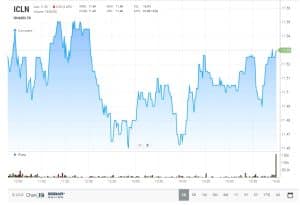
1. iShares Global Clean Energy ETF (ICLN): Ethical Investing with Sustainability
The iShares Global Clean Energy ETF (ICLN) is a part of BlackRock and a top-performing ETF. It focuses on renewable energy companies like solar, wind, and other sustainable technologies. It’s a great option for investors wanting to capitalize on clean energy stocks worldwide.
Essentially, this fund tracks an index of stocks in the global clean energy sector. One important attribute of this ETF is its strict sustainability rules. It excludes companies involved in weapons, tobacco, coal, oil sands, and Arctic drilling. These exclusions ensure the fund supports ethical and sustainable investing.
ICLN currently manages assets worth $5-6 billion. By 2025, its value could reach $8-10 billion.
source: NASDAQ
Top Holdings Portfolio
Among its top holdings are First Solar Inc., a major solar panel manufacturer; Iberdrola SA, Enphase Energy Inc., Vestas Wind Systems, and Ørsted. These companies contribute significantly to ICLN’s diversified and growth-oriented portfolio.
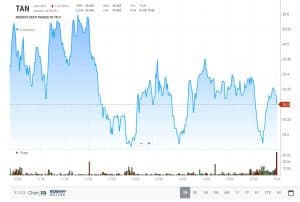
2. Invesco Solar ETF (TAN): A Focus on Solar Energy Growth
The Invesco Solar ETF, known as TAN, manages assets valued between $3–4 billion and has a projected valuation of $6–8 billion by 2025.
This fund focuses on solar energy companies, such as manufacturers, installers, and technology providers. As a result, TAN is an excellent option for those looking to invest in solar power.
Index Alignment and Key Holdings
TAN is based on the MAC Global Solar Energy Index. It invests 90% of its assets in securities, American depositary receipts (ADRs), and global depositary receipts (GDRs) listed in the index.
The index includes solar energy companies and adjusts returns for taxes on non-resident investors. Both the fund and index are rebalanced quarterly to stay aligned with market changes.
Its top holdings include Enphase Energy, First Solar, Sunrun, Nextracker, Class A, GCL Technology Holdings Ltd., and Encavis AG.
source: NASDAQ
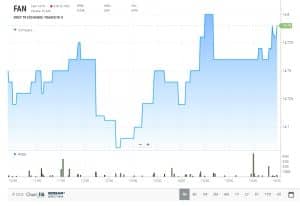
3. First Trust Global Wind Energy ETF (FAN): A Wind Energy Investment
The First Trust Global Wind Energy ETF, known as FAN, currently manages assets worth $2–3 billion, with an expected valuation of $5–7 billion by 2025.
Notably, this ETF is for the wind energy sector. It’s prospective for those managing wind farms, producing wind power, or making wind energy equipment. However, companies must have a market cap of at least $100 million, a daily trading volume of $500,000, and a free float of 25% to join the index.
FAN benefits from the global growth of wind power and strong government support for renewables. Its focused strategy and diverse portfolio make it attractive for wind energy investors. However, like any investment, returns are not guaranteed.
Comprehensive and Diversified Portfolio
FAN has a global portfolio of 52 wind energy companies worldwide. It includes “Pure Play” firms with 50% or more revenue from wind energy and “Diversified” firms partially in the sector. The index gives 60% weight to Pure Play and 40% to Diversified companies. Top holdings include Orsted, Vestas, EDP Renováveis, Northland Power, Siemens Energy, and GE Vernova.
source: NASDAQ
4. SPDR S&P Kensho Clean Power ETF (CNRG): A Clean Energy Investment
The SPDR S&P Kensho Clean Power ETF (CNRG) currently has assets worth $1–2 billion, with a projected value of $4–6 billion by 2025. It is managed by State Street’s Investment Solutions Group and is built for long-term growth.
With its focus on innovation and the clean energy sector, this ETF is a great option for those wanting to invest in the future of renewable energy.
CNRG tracks the S&P Kensho Clean Power Index, which uses AI to find companies leading in clean energy. The index includes firms in solar, wind, geothermal, and hydroelectric power. It also covers energy storage and other emerging technologies. This way it offers a diverse portfolio of companies advancing low-emission power solutions.
Key Holdings and Diversified Portfolios
CNRG’s portfolio includes innovative companies like Eos Energy Enterprises, Shoals Technologies Group, Plug Power, and Array Technologies. It also features Constellation Energy, Nextracker, GE Vernova, and Bloom Energy. These holdings highlight the fund’s focus on emerging technologies and their potential in the growing renewable energy market.
source: NASDAQ
5. Global X Lithium & Battery Tech ETF (LIT): Powering the Future
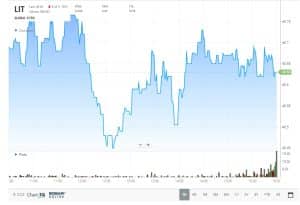
The Global X Lithium & Battery Tech ETF (LIT) gives investors access to the booming electrification, lithium, and battery technology sector. Their assets have a $4–5 billion valuation and are projected to reach $8–10 billion by 2025. The ongoing global demand for lithium and supply constraints make this ETF a promising investment in this sector.
Additionally, LIT tracks the Solactive Global Lithium Index, which follows top companies in lithium exploration, mining, and battery production. Although no financial instruments track lithium prices directly, the ETF offers indirect exposure by investing in key firms in the lithium supply chain.
Top Holdings Portfolio
LIT’s portfolio includes top companies in lithium and battery technology like Albemarle Corp, Tesla Inc, and Ganfeng Lithium. Other key holdings are Panasonic Holdings, CATL, and Tianqi Lithium.
source: NASDAQ
Quick Check: 5 Reasons to Choose ETFs over Individual Stocks
Often, ETFs are a better option than buying individual stocks, providing more stability and less risk. Find out why…
ETFs combine various assets, helping spread out risks and reduce volatility in the carbon market.
They offer more stability compared to individual stocks, providing a balanced way to invest.
ETFs reduce risk by pooling multiple investments, offering a smoother experience for investors.
They usually have lower costs and fees than managing individual stocks. This saves investors money.
ETFs simplify investing in the carbon credit market, allowing exposure without requiring deep expertise.
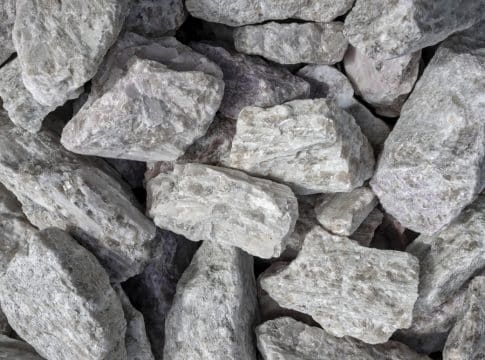
China’s lithium reserves have risen to 16.5% of the global total, up from 6%, says Xinhua, the leading Chinese media agency. It is now the second-largest holder of this critical battery metal.
Interestingly, China has now surpassed both Australia and Argentina in lithium reserves. So, what sparked this nearly 3X increase in lithium deposits? And with such massive reserves, can China become self-reliant in lithium production? Let’s explore.
What Led to China’s 3X Lithium Boom?
China Geological Survey (CGS) revealed this leap elevated China’s global ranking from sixth to second. As the top consumer of this vital battery metal, China relied heavily on imports. To address this, Beijing has intensified domestic exploration. The goal? To strengthen its supply chain and boost self-sufficiency and capacity for new energy vehicle (NEV) production.
CGS has unlocked important updates on China’s breakthrough in lithium exploration.
Lithium Findings Across Key Regions
Wang Denghong, a senior scientist at CGS explained that China has been ramping up nationwide lithium exploration efforts Since 2021. These initiatives uncovered over 30 million metric tons of lithium ore across regions like Sichuan, Qinghai, Jiangxi, and the Xinjiang Uygur and Inner Mongolia autonomous regions. Key discoveries include:
Lepidolite Lithium: Approximately 10 million tons were found in Hunan, Jiangxi, and Inner Mongolia.
Brine Lithium: Qinghai’s reserves now total about 10 million tons.
Spodumene Lithium: Xinjiang added another 10 million tons to the tally.
Exploration in Tibet also revealed a 2,800-km-long spodumene belt in the Xikunsong-Pan-Ganzi region, further boosting China’s reserves.
Technological Advancements Lower Costs
The CGS highlighted advancements in lithium extraction from lepidolite which they consider a “challenging” mineral. These technological upgrades made extracting the 10 million tons of lepidolite reserves more efficient and cost-effective.
Additionally, China’s salt lake lithium resources have increased significantly. So now it has over 14 million tons of lithium in its salt lakes. It’s the world’s third-largest lithium resource in a salt lake, after South America’s lithium triangle and the western US.
Salt lakes are an eco-friendly and cost-effective source of lithium that can substantially enhance China’s resource base.
Lithium has become a critical resource for modern industries. It powers batteries used in electronics, electric vehicles (EVs), and energy storage systems. The rapid expansion of the EV market has pushed global lithium demand to new heights.
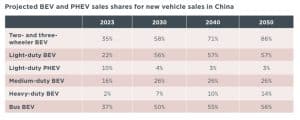
China’s EV market remains the largest contributor to lithium demand. As people and industries shift from traditional fuels to electric vehicles, demand is expected to rise further by 2025.
Source: ICCT
As per the International Council on Clean Transportation (ICCT) Global and Regional Battery Material 2024 report, BEV and PHEV sales shares reach 60% for new light-duty vehicle sales nationwide in 2030 and remain constant thereafter.
The assessment assumes that most of these combined BEV and PHEV sales will be BEVs, with PHEV sales shares decreasing from 10% in 2023 to 4% in 2030 and 3% thereafter.
Easing Supply Constraints
China houses the world’s top lithium battery manufacturers, including CATL, BYD, Gotion, EVE Energy, and A123, which have customers worldwide. This is why China’s lithium demand is constantly high.
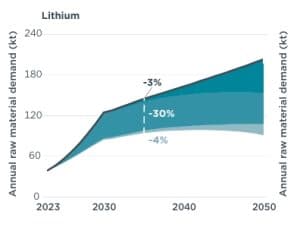
According to ICCT, it’s predicted that China’s demand for lithium will reach 125 kt in 2030 and 163 kt in 2040. This indicates a steady rise from 39 kt in 2023.
Annual raw material demand for lithium in China under the Baseline and demand reduction scenariosSource: ICCT
However, the country’s new technologies and discoveries could ease its lithium supply issues and reduce dependency on imports.
Global Impact of China’s Lithium Expansion
The massive expansion of China’s lithium reserves can potentially meet both domestic and industrial needs. Analysts also expect a boost to stabilize supply chains, and production costs, and support the sustainable growth of lithium markets worldwide.
However, it could also intensify competition among nations vying for this crucial resource.
China’s new lithium discoveries are a major step in its renewable energy efforts and in reducing fossil fuel reliance. This surplus lithium will enhance EV batteries and energy storage, and ensure a steady supply for future technologies. Precisely, China has taken the next step to continue dominating the global resource market.
https://globalcarbonfund.com/wp-content/uploads/2018/10/GCF_header_logo_340x156.png00carbonfundhttps://globalcarbonfund.com/wp-content/uploads/2018/10/GCF_header_logo_340x156.pngcarbonfund2025-01-10 09:29:212025-01-10 09:29:21China’s Massive Lithium Discovery Elevates It to Second in Global Reserves
Critical minerals are the backbone of modern technology, clean energy, and national security. They are essential for producing batteries, semiconductors, renewable energy systems, and defense applications like antimony. As such, they are indispensable for a sustainable future, powering clean technologies.
The United States, like many countries, is working to secure its supply of these materials amid growing geopolitical challenges and rising demand. This effort is underlined by the U.S. Department of Energy’s (DOE) recent funding announcement. The agency revealed a $45 million investment to develop regional consortia for critical minerals and materials.
America’s Growing Need for Critical Minerals
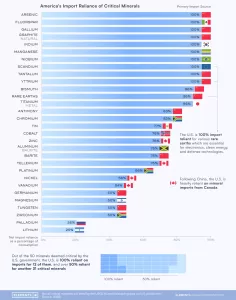
The U.S. is heavily reliant on imports from various countries for most of its critical minerals as shown below. The country relies on imports for 95% or more of 13 critical minerals, with China supplying more than half of these, according to the U.S. Geological Survey (USGS). Thus, the government is working hard to address this reliance, with the DOE’s recent investment.
The funding supports six projects aimed at extracting minerals from unconventional and secondary sources like coal by-products, petroleum industry waste, and acid mine drainage. These innovative approaches not only reduce reliance on imports but also create high-wage jobs and environmental benefits.
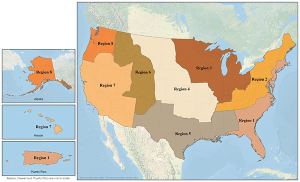
For example, the University of Texas at Austin is exploring resources from the Gulf Coast and Permian Basin, while Virginia Polytechnic Institute is evaluating critical minerals in the Appalachian Mountains. These initiatives align with the DOE’s Carbon Ore, Rare Earth, and Critical Minerals (CORE-CM) Initiative, expanding its scope to cover eight regions across the U.S.
Image from U.S. DOE
The U.S. DOE’s CORE-CM Initiative is a multi-year effort aimed at promoting regional economic growth and job creation. It focuses on accelerating the development of upstream and midstream critical mineral supply chains, essential for clean energy technologies and national security.
Brad Crabtree, Assistant Secretary of Fossil Energy and Carbon Management, emphasized the dual benefits of these efforts, saying:
“Rebuilding a domestic supply chain for critical minerals and materials here at home will both safeguard our national security and support the continued development of a clean energy and industrial economy.”
Trump’s Approach to Critical Minerals: A Mixed Outlook
The incoming President Donald Trump has criticized Biden’s Inflation Reduction Act (IRA), labeling it a “green scam” and pledging to repeal it if re-elected. This raises concerns for renewable energy initiatives like EVs and wind power. Yet, his past policies suggest a strong focus on critical mineral self-sufficiency.
In 2020, Trump declared foreign dependence on critical minerals a national emergency, advocating for the domestic production of these resources. Though he opposes the IRA’s renewable energy spending, his administration supported industrial revitalization, including $75 million to upgrade Constellium’s aluminum mill, ensuring critical minerals remain a priority.
Trump’s “America First” stance focuses on reducing U.S. dependency on China for critical minerals. The DOE and DOD are investing in domestic metal production, targeting materials like lithium and antimony.
Antimony: A Critical Mineral of Strategic Importance
Among the critical minerals, antimony is a key player. It is used in applications such as battery technology, solar panels, flame retardants, and even ammunition. However, the U.S. currently relies heavily on imports, primarily from China, for its antimony supply.
This dependency highlights the importance of the Stibnite Gold-Antimony Project in Idaho. Perpetua Resources Corp., the company behind the project, recently received approval from the U.S. Forest Service to begin development. The decision followed eight years of environmental studies, tribal consultations, and regulatory reviews.
The project stands out for several reasons:
Domestic Supply: With 148 million pounds of antimony reserves, it is the only domestic source of this mineral in the U.S.
Reducing Foreign Reliance: The project could meet 35% of the total U.S. antimony demand in its first six years, lessening dependence on Chinese exports.
National Security: Antimony is vital for defense applications like bullet manufacturing, making its domestic availability a strategic priority.
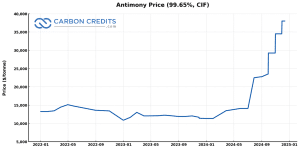
The Forest Service’s decision comes at a critical time, as China recently banned antimony exports to the U.S. This restriction resulted in soaring prices for this mineral as shown in the chart.
Jon Cherry, President and CEO of Perpetua Resources, described their project as transformative:
“The Stibnite Gold Project delivers wins for communities, the environment, the economy, and our national security.”
Another key player in securing a stable antimony supply is Military Metals Corp. (MILI.V) With strategic assets in Slovakia and Canada, the company is revitalizing historical mining sites. In Trojarova, Slovakia, and West Gore, Nova Scotia, Military Metals plans to unlock significant antimony resources for defense and renewable energy needs.
Sustainable Solutions For a Path Toward Critical Minerals Independence
The focus on critical minerals extends beyond mining. The DOE and private companies are exploring innovative ways to recover these materials sustainably. Secondary and unconventional feedstocks, such as coal waste and acid mine drainage, offer untapped opportunities.
For instance, the University of Alaska Fairbanks is investigating underexplored mineral deposits in the Northwest, while the University of Wyoming is assessing critical minerals across ten states in the Great Plains and Interior Highlands. These projects demonstrate the potential of leveraging local resources to build a resilient supply chain.
The U.S. government’s investments and private sector initiatives are paving the way for a future where critical minerals are sourced sustainably and domestically. Antimony’s role in this landscape underscores its strategic importance. Through innovative projects and partnerships, the U.S. is positioning itself to lead in the global race for these essential resources.
Disclosure: Owners, members, directors, and employees of carboncredits.com have/may have stock or option positions in any of the companies mentioned: MILI.V.
Carboncredits.com receives compensation for this publication and has a business relationship with any company whose stock(s) is/are mentioned in this article.
Additional disclosure: This communication serves the sole purpose of adding value to the research process and is for information only. Please do your own due diligence. Every investment in securities mentioned in publications of carboncredits.com involves risks that could lead to a total loss of the invested capital.
https://globalcarbonfund.com/wp-content/uploads/2018/10/GCF_header_logo_340x156.png00carbonfundhttps://globalcarbonfund.com/wp-content/uploads/2018/10/GCF_header_logo_340x156.pngcarbonfund2025-01-09 15:33:142025-01-09 15:33:14Unlocking the Power of Critical Minerals with US DOE’s $45 Million Investment: A Focus on Antimony
Nickel producers are bracing for a tough year in 2025, with the global nickel market expected to remain oversupplied, putting downward pressure on prices. Analysts attribute this oversupply to Indonesia’s rapidly expanding nickel industry, disrupting global markets and driving nickel prices down from previous highs. However, the largest nickel producer revealed plans to cut production by almost 40%, greatly impacting global supply.
Nickel Price Dynamics and Producer Responses
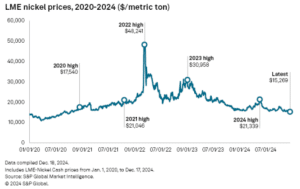
The London Metal Exchange (LME) reported the three-month nickel price at $15,415 per metric ton on December 30. This marks a 7.2% year-over-year drop and a 28.7% decline from its peak of $21,615 in May.
Despite rising global demand, production surges from top producers. Indonesia and China will maintain an oversupply, with further price reductions anticipated.
The global surplus is forecast to shrink slightly, from 103,000 metric tons in 2024 to 87,000 metric tons in 2025, according to Jason Sappor, a senior analyst at S&P Global Commodity Insights. However, this surplus is still substantial enough to keep prices down, increasing the risk of more mine closures.
Producers are already adjusting. The Indonesian government announced plans to manage supply and support prices, while companies have begun suspending operations.
For example, BHP Group paused its Nickel West operations in Australia. Meanwhile, Anglo American announced the sale of two Brazilian nickel mines as part of a restructuring effort.
Adrian Gardner, principal analyst for nickel markets at Wood Mackenzie, warned that further temporary mine closures could occur if prices fall below production costs.
Indonesia’s Nickel Plan Cutting 35% of Global Supply
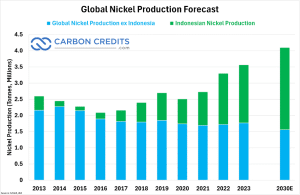
Indonesia has solidified its position as the world’s top nickel producer. The Southeast Asian country supplied over 56% of global mined nickel in 2024. This dominance could grow further, with the country’s output projected to increase by 7.7% in 2025 to 2.4 million metric tons.
The Indonesian nickel boom comes from a 2020 ban on raw ore exports, encouraging Chinese companies to invest in local processing facilities. These plants convert nickel laterite ore into ferronickel, a key material for stainless steel production.
While Indonesia’s growth boosts its economy, it also increases the global nickel surplus, putting further pressure on prices.
Recently, the world’s top nickel producer is considering cutting its nickel mine quotas by nearly 40% in 2025. This move could reduce global supply by over a third, potentially driving up nickel prices, according to Macquarie Group Ltd. as reported by Bloomberg.
The proposed cuts would lower output from 272 million tons in 2024 to just 150 million tons this year.
The Indonesian government’s restrictions on nickel mining have already caused supply strains. In 2024, these limitations led to record nickel ore imports from the Philippines, the second-largest producer.
However, the market still experienced oversupply, with weakening demand from the stainless steel and battery sectors contributing to nickel’s second consecutive annual price drop.
Demand Concerns: EV Market Slowdown
Nickel demand, particularly from the battery sector, is under strain and the metal’s role in the electric vehicle (EV) market adds more complexity.
The growing adoption of lithium-iron-phosphate (LFP) batteries and increased demand for plug-in hybrid EVs reduce the need for nickel-rich battery chemistries. These batteries are primarily produced by Chinese companies.
LFP batteries, which are nickel-free, offer lower costs and reduced environmental impact. Their growing adoption, even in Indonesia, is challenging nickel’s dominance in the EV supply chain.
Analysts at ING highlighted sluggish EV sales and a potential rollback of the $7,500 federal tax credit for EV purchases under the Inflation Reduction Act (IRA) as additional challenges. If President-elect Donald Trump follows through on this plan, it could slow the U.S. energy transition and reduce nickel demand from American trading partners.
Amid these shifts, Indonesia’s partnerships with China remain pivotal. Recent agreements between the two nations emphasized collaboration in EVs, lithium batteries, and critical minerals like nickel. These efforts aim to stabilize supply chains and advance the energy transition.
If Indonesia proceeds with significant supply cuts, the nickel market could experience tighter conditions, boosting prices. However, the rise of alternative battery technologies highlights the evolving dynamics in the global nickel and EV industries.
Optimistic Outlook Amid Challenges
Despite the oversupply and price pressures, some analysts remain optimistic about nickel’s prospects. Adrian Gardner from Wood Mackenzie, for instance, remarked:
“We are expecting [a] 10%-12% increase in demand for primary nickel in 2025, almost double the rate of production growth…We are expecting a small average price rise for 2025 on an annual average basis.”
S&P Global Commodity Insights predicts that nickel prices will remain low in the coming years. The analysts project that the global surplus will be at 39,000 metric tons by 2028. This is partly due to the declining demand for primary nickel in the European Union’s EV battery sector over 2024–2028.
Amid this dynamic shift in the nickel market, one company is making huge efforts to advance U.S. nickel independence – Alaska Energy Metals Corporation (AEMC). Its flagship Nikolai project in Alaska holds significant resources of nickel, copper, cobalt, and platinum group metals, essential for renewable energy and electric vehicles.
While nickel producers face immediate challenges, the metal’s long-term outlook depends on balancing supply and demand, technological shifts in the battery sector, and policy decisions in major producing nations like Indonesia.
Overall, 2025 will likely be a pivotal year for the nickel market, testing the resilience of producers and the effectiveness of regulatory interventions.
Disclosure: Owners, members, directors, and employees of carboncredits.com have/may have stock or option positions in any of the companies mentioned: AEMC.
Carboncredits.com receives compensation for this publication and has a business relationship with any company whose stock(s) is/are mentioned in this article.
Additional disclosure: This communication serves the sole purpose of adding value to the research process and is for information only. Please do your own due diligence. Every investment in securities mentioned in publications of carboncredits.com involves risks that could lead to a total loss of the invested capital.
https://globalcarbonfund.com/wp-content/uploads/2018/10/GCF_header_logo_340x156.png00carbonfundhttps://globalcarbonfund.com/wp-content/uploads/2018/10/GCF_header_logo_340x156.pngcarbonfund2025-01-09 10:29:142025-01-09 10:29:14Nickel Prices in 2025: Indonesia’s 40% Supply Cut Plan and EV Market Shifts
Vale and Sweden’s GreenIron have teamed up to reduce emissions in the mining and metals supply chain. The MOU focuses on key initiatives in Brazil and Sweden, including a feasibility study for a direct reduction facility in Brazil operated by GreenIron. Additionally, Vale will also supply iron ore to GreenIron’s commercial operations in Sandviken, Sweden.
Rogério Nogueira, EVP of Commercial and New Business at Vale noted,
“This agreement brings together Vale’s superior product portfolio, Brazil’s competitive advantage on green hydrogen and GreenIron’s expertise on sustainable iron production to provide low-carbon solutions for the mining and metals industry”, “We are focused on helping our clients achieve their decarbonization targets and also fostering Brazil’s new industrialization.
Vale and GreenIron’s Collaborative Vision for Metal Recycling
Moving on, their feasibility study will identify the best site and assess renewable energy and resource options for a direct reduction facility in Brazil. Most importantly, it will explore green hydrogen and innovative technologies to reduce the environmental impact of the industries.
GreenIron has conducted rigorous trials to commercialize its hydrogen-based, fossil-free, and energy-efficient technology. The press release revealed that in the last two years, Vale and GreenIron have tested Vale’s iron ore pellets at GreenIron’s Swedish facilities.
The new MoU includes plans to test Vale’s iron ore briquettes, which produce lower CO2 emissions than pellets.
Additionally, GreenIron’s technology offers exceptional adaptability. It can handle various feedstocks and customize capacity to meet specific client requirements. It is also cost-effective and compatible with green hydrogen use.
GreenIron’s Sandviken Facility
The company plans to bring the Sandviken Industrial Park, located 160 kilometers north of Stockholm into full-scale production by the end of this year. This is crucial for the company’s goal of becoming a leader in CO2-free metals and mining while advancing to a circular economy.
Each GreenIron furnace is expected to cut CO2 emissions by at least 56,000 tonnes annually, paving the way for a greener future.
Edward Murray, CEO of GreenIron said,
“This MOU with Vale marks a significant milestone for GreenIron. It represents a clear commitment to pursue collaborative opportunities that align with our vision for a sustainable mining and metals industry, and to drastically reduce the sector’s climate footprint. By pooling our expertise and resources, we aim to innovate and develop projects that not only benefit both companies but also positively impact the environment and the communities in which we operate.”
Vale is one of the largest iron ore producers in the world. Iron ore, the key raw material for steelmaking, is found in rocks mixed with other elements. It is refined through advanced industrial processes and then sold to the steel industry.
Vale’s iron ore from Carajás is among the best globally, with a 67% iron content. In Northern Brazil, the company’s mines occupy just 3% of the Carajás National Forest. The remaining 97% is protected in collaboration with environmental institutes. Vale operates in Brazil, China, and Oman to suffice global supply of this crucial resource.
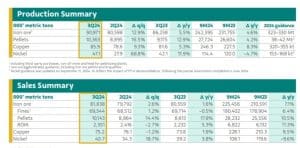
Here’s Vale’s 3Q24 production and sales report for Iron ore, pellets, copper, and nickel.
Source: Vale
By 2025, the company plans to transition entirely to renewable energy in Brazil and 100% renewable energy by 2030 globally. Additionally, Vale aims to enhance its global energy efficiency by 5% by 2030, using 2017 levels as the baseline
DOE Partnership
In November, Vale completed negotiations with the U.S. Department of Energy’s Office of Clean Energy Demonstrations. The company will start Phase 1 of a project to develop an industrial-scale briquette plant in Louisiana. It will use over $3.8 million in DOE funds to support engineering studies and community engagement in 2025.
Vale’s sustainably sourced iron ore briquettes can reduce scope 3 emissions by 15% by 2035. These efforts align with Vale’s sustainability targets to cut absolute scope 1 and 2 emissions by 33% by 2030 and achieve net zero by 2050.
https://globalcarbonfund.com/wp-content/uploads/2018/10/GCF_header_logo_340x156.png00carbonfundhttps://globalcarbonfund.com/wp-content/uploads/2018/10/GCF_header_logo_340x156.pngcarbonfund2025-01-09 09:31:552025-01-09 09:31:55Vale and GreenIron Partner to Revolutionize Metal Production with Green Hydrogen
As per the latest media reports, Hussain Sajwani, chairman of Dubai-based DAMAC Properties, pledged a whopping $20 billion investment in the U.S. data center industry. The announcement wasmade in the presence of newly elected President Donald Trump at his Mar-a-Lago estate. This deal is immensely significant for Trump’s economic strategy and AI vision for America.
Sajwani and Trump: A New Era in AI Investment
Hussain Sajwani’s collaboration with Donald Trump started with the Trump International Golf Club in Dubai and expanded to other high-end developments. This eventually fortified their professional relationship. While DAMAC Properties is renowned for its luxurious real estate ventures, including Trump-branded projects in Dubai, this is Sajwani’s first investment in the U.S. data center sector.
Furthermore, Sajwani expressed confidence in the U.S. market’s potential and hinted at a prospective initiative to go beyond $20 billion. Media companies reported that he made this announcement at Trump’s Mar-a-Lago home noting,
“We’re planning to invest $20 billion and even more than that, if the opportunity in the market allows us.”
This massive investment comes at a pivotal moment for the U.S. when the rapidly expanding AI sector needs a robust infrastructure and cutting-edge technology. Sajwani’s investment highlights Trump’s commitment to boosting domestic industries and jobs. Moreover, Trump’s policies to bring in foreign investment ensures that the U.S. remains competitive in the global AI landscape.
According to Newsweek, DAMAC will break ground on its U.S. data centers in early 2025, with full operations expected within two years. The initial rollout targets key states, including Texas, Arizona, Oklahoma, Louisiana, Ohio, Illinois, Michigan, and Indiana.
During his previous term, Trump launched the American AI Initiative which also aimed at bolstering America’s competitive edge in AI research and development. However, the initiative faced criticism for lacking sufficient funding and depth.
Now, with re-election Trump gas gained a golden opportunity to modify his AI strategy. And of course, with a stronger emphasis on national security, economic growth, and international competitiveness. He expects a significant shift in federal policy.
Bloomberg revealed that Trump plans to repeal President Biden’s October 2023 AI executive order. As he is known for favoring a hands-off regulatory approach, this decision can minimize regulatory constraints and create a more viable environment for innovation.
Trump’s approach stands in clear contrast to Biden’s, who focused on responsible innovation, ethical oversight, and global collaboration. He has a clear ambition to position the U.S. as a global leader in AI development by focusing on industry growth rather than regulatory oversight.
AI in Defense and National Security
The Department of Defense (DOD) has identified AI as a transformative technology, with applications ranging from autonomous drones to cybersecurity. The Bloomberg report further explained that under Trump’s leadership, this sector is expecting to expand defense-related AI initiatives. It includes integrating AI into defense systems, developing tools to detect cyber threats, and ensuring critical infrastructure security.
Needless to mention, Trump’s tough stance on China further highlights the strategic importance of AI. His administration is expected to tighten export controls and impose sanctions to limit China’s access to advanced AI technologies. He foresees investing heavily in AI research and collaborating with allies to counter China’s influence while maintaining America’s technological edge.
But are the AI Ethics at Risk?
However, there are always two sides of a coin.
Trump’s deregulation approach sparks debate—while it may accelerate innovation, it also raises concerns about proper oversight. The rapid development of AI technologies requires a high level of management to address ethical and safety issues. Critics argue that a “hands-off approach” could increase risks, including discriminatory outcomes, and misuse of AI in critical applications.
In this case, state governments will need to step in and might play a crucial role in addressing these challenges. California and New York, for instance, are expected to introduce regulations focused on safety, ethics, and accountability. Balancing federal policies with state-level initiatives could lead to responsible AI development.
In another scenario, international collaboration can also present some challenges. Trump’s polarizing leadership style might hinder efforts to establish global standards for AI governance.
However, if hurdles show up, there are ways to overcome them as well. And this time the Trump administration is expected to be more cautious while handling this crucial AI industry.
The Synergy Between Billionaires and Trump
Tech giants like Microsoft recently committing $80 billion to American AI infrastructure shows America’s continued dominance in the AI revolution.
Last year in December, SoftBank’s CEO Masayoshi Son bet big on an AI-driven future. The Japanese investment giant has committed $100 billion to support the U.S. AI, infrastructure, and technology projects.
The most hyped anticipation is the camaraderie between Musk and Trump this year could create a powerful synergy to accelerate AI development. Musk’s brilliant and innovative AI products and ideas like AV, EVs, and space exploration would certainly garner Trump’s support. Additionally, Sam Altman’s backing of Trump and pledging support to ensure the U.S. remains at the forefront of the AI age raises huge optimism for the domestic AI industry.
The $20 billion data center investment is just the beginning. However, Trump’s AI success for the U.S. will depend on balancing innovation with ethics and addressing geopolitical challenges.
https://globalcarbonfund.com/wp-content/uploads/2018/10/GCF_header_logo_340x156.png00carbonfundhttps://globalcarbonfund.com/wp-content/uploads/2018/10/GCF_header_logo_340x156.pngcarbonfund2025-01-08 13:11:052025-01-08 13:11:05Trump’s Bold $20 Billion AI Plan: Fueling America’s Data Centers with Foreign Capital
The transition to a low-carbon economy is not just a trend—it’s a must. With climate change accelerating, companies are under increasing pressure to reduce their carbon footprints. Major tech companies, such as Meta, Apple, and Netflix, have committed to achieving net-zero emissions by 2030, while mining and energy giants like Barrick, Newmont, and ExxonMobil are following suit. For investors, this evolving trend presents a unique opportunity to invest in carbon stocks and support innovative companies focused on carbon reduction and capture.
Why Carbon Stocks Are Gaining Traction in 2025
Carbon stocks are becoming increasingly popular as people and organizations alike strive to meet climate goals. These stocks represent companies that focus on reducing or offsetting carbon emissions. They are drawing attention not only for their environmental benefits but also for their potential financial returns.
With governments and corporations prioritizing carbon reduction technologies and emissions offsets, the market for carbon-related solutions is poised for rapid growth.
In 2025, here are the top five carbon stocks worth keeping on your radar.
1. Brookfield Renewable Partners (BEP): A Leader in Clean Energy
Brookfield Renewable Partners (BEP) is one of the world’s largest publicly traded renewable energy companies. With a clear focus on clean, renewable energy, BEP distinguishes itself from many of its competitors by operating as a pure-play renewable energy company. This means that its portfolio consists exclusively of renewable sources of power generation, unlike other companies that often combine renewable energy with fossil fuel assets.
Energy Storage Facilities: 700 megawatts of capacity
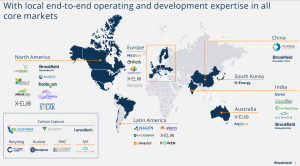
This extensive array of assets spans multiple regions, including North America, South America, Europe, and Asia, underscoring BEP’s commitment to global renewable energy development.
Financial Performance, Growth, and Expansion Plans
In the third quarter of 2024, BEP reported Funds From Operations (FFO) of $278 million, equating to $0.42 per unit. This represents an 11% increase compared to the same period in the prior year, highlighting the company’s robust financial health and operational efficiency.
Over the past 5 years, BEP has maintained an average dividend yield of around 5%. Since its inception over two decades ago, it has reached over $109 billion in assets under management globally.
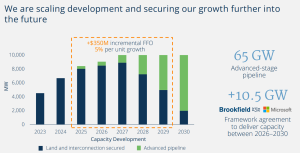
The company is actively pursuing an ambitious growth strategy, with a development pipeline poised to add 11,000 megawatts of capacity. This expansion represents a 46% increase over the current operating capacity, with plans to execute these developments over the next 3 years.
Successful realization of this pipeline could enable the renewable energy company to significantly scale its power generation capabilities. Here’s what BEP’s development and growth plans look like, highlighting its 10.5 GW partnership with Microsoft:
Source: Company presentation
Positioning in the Transition to Clean Energy
As corporations worldwide strive to achieve net-zero carbon emissions, the demand for renewable energy sources is escalating. BEP’s exclusive focus on carbon-free energy positions it as a preferred partner for companies seeking to reduce their carbon footprints.
For investors seeking exposure to the renewable energy sector with a preference for established companies demonstrating stable growth and reliable returns, Brookfield Renewable Partners represents a compelling option.
Aker Carbon Capture (AKCCF) is a Norwegian company specializing in carbon capture technology. Leveraging its expertise from the Aker Group, a global leader in offshore engineering, Aker Carbon Capture has developed modular carbon capture systems that are both cost-effective and scalable.
One of the company’s standout innovations is the “Just Catch” modular carbon capture plant. It is designed to meet the needs of mid-sized industries like cement, biomass, and waste-to-energy. This plant reduces the time and cost typically associated with custom-built carbon capture facilities.
Aker has also developed a proprietary amine solvent, a technology that efficiently captures CO₂ from industrial emissions. This solvent is highly stable, has low degradation rates, and minimizes energy consumption, making it a cost-effective solution for industries looking to reduce their carbon footprint.
The technology has been successfully deployed in real-world projects, such as the CO₂ capture pilot at the Norcem cement plant in Brevik, Norway.
Aker Carbon Capture is also undergoing a joint venture with SLB to form SLB Capturi, which will further accelerate the development of large-scale carbon capture technologies. The carbon capture company partnered with Microsoft last year to capture and store carbon at pulp and paper mills.
As of the third quarter of 2024, ACC ASA reported a net loss of NOK 47 million. The company maintained a robust financial position with NOK 4.5 billion in cash and an equity standing at NOK 5.5 billion.
Ørsted’s BECCS Project (Denmark): Deploying five Just Catch units to capture up to 500,000 tonnes of CO₂.
Twence Project (Netherlands): Captures 100,000 tonnes of CO₂ annually for use in local agriculture.
With a solid financial foundation and strategic partnerships, ACC ASA is well-positioned to expand its carbon capture solutions globally. The aim is to contribute significantly to the reduction of industrial CO₂ emissions and support the transition to a low-carbon economy.
3. LanzaTech Global, Inc. (LNZA): Turning Emissions into Valuable Products
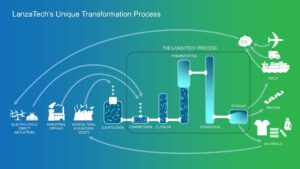
LanzaTech Global, Inc. (LNZA) is a pioneering carbon recycling company that transforms waste carbon emissions into sustainable fuels and chemicals through innovative biotechnology using gas fermentation. Through this process, industrial emissions—rich in carbon monoxide and carbon dioxide—are converted into ethanol and other chemicals.
Source: LanzaTech website
The company uses proprietary microbes engineered to thrive in industrial gas streams, such as those found in steel mills and refineries. These microbes consume waste gases, turning them into useful products.
The ethanol produced can serve as a building block for various products, including jet fuel, plastics, and synthetic fibers.
Financial Performance and Strategic Development
In the third quarter of 2024, LanzaTech reported revenue of $9.9 million, a decrease from $17.4 million in the second quarter and $19.6 million in the third quarter of 2023. This decline was primarily due to a timing delay in a LanzaJet sublicensing event, which was expected to generate about $8.0 million in licensing revenue.
LanzaTech has been actively expanding its technological capabilities and market reach:
CirculAir Initiative: In June 2024, LanzaTech and its subsidiary LanzaJet introduced CirculAir, a commercially viable solution designed to convert waste carbon and renewable power into sustainable aviation fuel (SAF).
Project Drake: LanzaTech advanced Project Drake, a 30-million-gallon sustainable aviation fuel project, furthering its commitment to large-scale SAF production.
Key Projects and Partnerships
The carbon recycling company has engaged in several significant projects and collaborations, including:
Eramet Partnership: Developing a Carbon Capture, Utilization, and Storage (CCUS) project in Norway.
LanzaJet Initiative: Introducing CirculAir, a technology to produce sustainable aviation fuel (SAF).
Additionally, LanzaTech is developing a novel biocatalyst to directly convert CO₂ to ethanol at 100% carbon efficiency, leveraging affordable, renewable hydrogen. This transformative technology aims to produce biofuels and feedstocks for valuable products using carbon-free renewable energy, water, and CO₂.
With a solid financial foundation bolstered by recent capital raises and strategic partnerships, LanzaTech is well-positioned to expand its carbon recycling solutions globally, creating sustainable products from waste carbon.
Occidental Petroleum (OXY) is a major player in the oil and gas industry. However, in recent years, the company has been transforming itself into a leader in carbon management solutions.
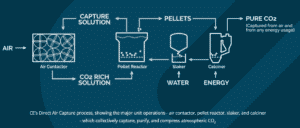
Occidental has embraced Direct Air Capture (DAC) technology, which removes CO₂ directly from the atmosphere. In partnership with Carbon Engineering, Occidental is constructing the world’s largest DAC facility in Texas, a groundbreaking project that will play a significant role in achieving global emission reduction targets.
Financial Performance
In the third quarter of 2024, Occidental reported net income attributable to common stockholders of $964 million, or $0.98 per diluted share. The company has scheduled the announcement of its fourth-quarter 2024 financial results for February 18, 2025.
Carbon Capture Initiatives
Occidental is actively investing in DAC technology through its subsidiary, 1PointFive. The company’s flagship DAC facility, named STRATOS, is under construction in the Permian Basin.
STRATOS is designed to extract 500,000 metric tons of atmospheric CO₂ annually, laying the foundation for commercial-scale DAC deployment. The facility will begin operations in the summer of 2025, with live power anticipated to come online in December 2024.
Occidental plans to integrate the captured CO₂ into enhanced oil recovery (EOR) processes, injecting the CO₂ into aging oil fields to extract additional oil while effectively sequestering the CO₂ underground.
This approach creates a closed-loop system that both boosts oil production and reduces atmospheric carbon.
Additionally, Occidental is developing a project to transport and store CO₂ captured from Velocys’ planned Bayou Fuels biomass-to-fuels project in Natchez, Mississippi, in secure geologic formations.
The Bayou Fuels project converts waste woody biomass into transportation fuels, and applying CO₂ capture and storage can make the facility a net-negative carbon dioxide emitter.
Occidental’s approach is an example of how traditional energy companies are evolving to embrace sustainability. By combining its existing expertise in oil extraction with innovative carbon capture methods, Occidental is paving the way for a future where fossil fuel extraction can coexist with carbon reduction technologies.
5. Equinor ASA (EQNR): Leading the Way in Carbon Storage and Capture
Equinor, formerly known as Statoil, is a Norwegian energy giant that has diversified its portfolio to include renewable energy sources like wind power. It has also been at the forefront of carbon capture, utilization, and storage (CCUS) technologies for over 25 years.
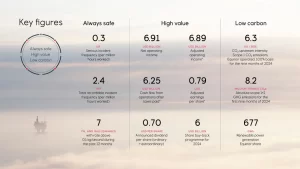
Their extensive experience includes operating the world’s first dedicated CO₂ storage site at the Sleipner field since 1996 and the Snøhvit field since 2008. The image from the company’s presentation below shows its overall performance in the latest report.
Moreover, Equinor is a key player in the Northern Lights project, a pioneering initiative in Norway aimed at developing a large-scale CCS infrastructure.
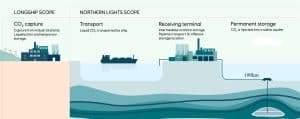
The Northern Lights project focuses on capturing CO₂ from industrial sources, transporting it via ships, and securely storing it beneath the North Sea seabed. This project is a crucial step in addressing the complexities of CCS, and Equinor is positioning itself as a facilitator of this transformative technology.
What makes the Northern Lights project particularly noteworthy is its open-source infrastructure. It allows other companies to use the storage facilities. This collaborative model could accelerate the widespread adoption of CCS technology across Europe and beyond.
Financial Performance
Equinor reported Q3 2024 operating income of $6.89 billion, down 13% from $7.93 billion in Q3 2023, missing forecasts. Adjusted net income after tax was $2.04 billion, with net income at $2.29 billion. Earnings per share reached $0.79. Lower oil prices and production declines drove the decrease in profit.
Other Key Projects and Developments
Bayou Bend CCS Project: Equinor has acquired a 25% interest in Bayou Bend CCS LLC, positioning it to be one of the largest carbon capture and storage projects in the United States.
UK Carbon Storage Initiatives: Equinor, in collaboration with BP and TotalEnergies, has secured investment into Britain’s carbon capture projects, directly supporting 2,000 jobs in the northeast of England.
Strategic Partnerships, Technological Innovations, and Outlook
Equinor has signed an agreement with French gas grid operator GRTgaz to develop a CO₂ transport system that will carry captured CO₂ from French industrial emitters to offshore storage sites in Norway.
The Norwegian energy giant operates the Technology Centre Mongstad, the world’s largest and most flexible plant for testing and improving CO₂ capture technologies. This facility plays a crucial role in advancing CCUS solutions to decarbonize industries and the energy system.
In December 2024, Equinor secured over $3 billion in financing for its Empire Wind 1 offshore project in the U.S. Scheduled to become fully operational by 2027, the project will deliver clean energy to 500,000 New York homes, advancing the company’s renewable energy ambitions.
Equinor has decades of experience in offshore oil and gas exploration, and its deep-rooted knowledge of energy infrastructure is key to its success in developing large-scale CCS solutions. With the potential to store the equivalent of 1,000 years of Norwegian CO₂ emissions beneath the seabed, Equinor’s initiatives are pivotal in supporting global climate goals.
Conclusion: The Future of Carbon Stocks
As more companies declare their commitment to net-zero goals and seek innovative solutions to reduce carbon emissions, carbon stocks are becoming attractive to investors. The top carbon stocks or companies mentioned in this article—Brookfield Renewable Partners, Aker Carbon Capture, LanzaTech, Occidental Petroleum, and Equinor—are leading the charge in decarbonizing industries and creating sustainable solutions for a carbon-constrained world.
By investing in these carbon stocks, investors not only support the transition to a cleaner, more sustainable future but also position themselves to benefit from the growth of the green economy.
As we move closer to 2030 and beyond, carbon stocks will become an increasingly important part of investment portfolios aiming to align financial returns with environmental impact.
https://globalcarbonfund.com/wp-content/uploads/2018/10/GCF_header_logo_340x156.png00carbonfundhttps://globalcarbonfund.com/wp-content/uploads/2018/10/GCF_header_logo_340x156.pngcarbonfund2025-01-08 08:57:422025-01-08 08:57:42Top 5 Carbon Stocks to Watch in 2025
SolarBank Corporation (NASDAQ: SUUN) has announced a significant deal with Qcells, a subsidiary of South Korea’s Hanwha Solutions. Qcells, through an affiliate, has entered into agreements to purchase four solar power projects in upstate New York.
These ground mount projects—Gainesville, Hardie, Rice Road, and Hwy 28 are under development and have a combined capacity of 25.577 MW. The total value of the sale and the engineering, procurement, and construction (EPC) agreements amounts to approximately $49.5 million.
SolarBank Brings Solar Access to Everyone
SolarBank developed the sites and has successfully passed the Coordinated Electric System Interconnection Review (CESIR). This confirms their feasibility for connection to the local electricity grid.
The projects will now progress as individual solar installations under engineering, procurement, and construction (EPC) agreements with Qcells, having manufacturing facilities in the U.S., Malaysia, and South Korea. The company serves customers in the utility, commercial, government, and residential markets with reliable clean energy solutions and long-term partnerships.
The company also plans to manage the projects through an operations and maintenance contract after completing construction. Once operational, the projects will serve as community solar systems, allowing multiple people to benefit from a shared solar energy system without installing panels on their homes.
Source: SolarBank
In an exclusive discussion with CarbonCredits, Dr.Richard Lu, CEO of SolarBank expressed his thoughts and the deal’s impact on the general community and the U.S. at large.
Read on…
CC: What inspired SolarBank to partner with Qcells for these community solar projects?
Dr. Richard: As the SUUN will always shine, we want to do our part to “Make America Great Again”. Solar energy is the power that we can deliver at a low cost in a timely manner, and we want to use “Made in the USA” solar panels to achieve our strategic goal.
CC: How will “Made in the USA” equipment for these projects impact both SolarBank and the broader clean energy sector?
Dr. Richard: For Solarbank, the Made in the USA panels demonstrate our commitment to supporting domestic production for the clean and renewable energy industry. For the sector, it will enable the industry to meet its demand with domestic supplies.
CC: Any challenges you foresee during the EPC phases of these four solar projects? If Yes, how SolarBank plans to address them?
Dr. Richard: We have every confidence to deliver these 4 solar projects as the EPC using domestic solar panels. We have completed initial designs with the “Made in the USA” solar panels andwe did not encounter any engineering issues. We have started site mobilization and will work with our long-term construction crews on these projects.
CC: What are SolarBank’s long-term goals in supporting the development of community solar projects and clean energy goals of America?
Dr. Richard: As demand for clean and renewable energy grows across general society, commercial, industrial, and especially digital economy—SolarBank is playing a key role in meeting this demand in the USA. Community solar enables more than 50% of Americans to enjoy clean and renewable energy at a lower cost, without having to install solar panels on the roof of their houses, if they live in a house.
Moving on, SolarBank further highlighted the many benefits of community solar projects.
These solar panels will feed clean energy into the local electricity grid.
Renters and homeowners who subscribe to the program can earn credits on their electricity bills based on the solar energy generated.
This setup will help save and bring environmental benefits to dozens or even hundreds of participants, depending on the size of the project.
These projects are expected to qualify for incentives under the New York State Energy Research and Development Authority (NYSERDA) NY-Sun Program. This initiative supports renewable energy adoption and helps make solar power more affordable to communities.
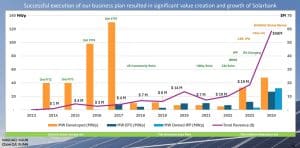
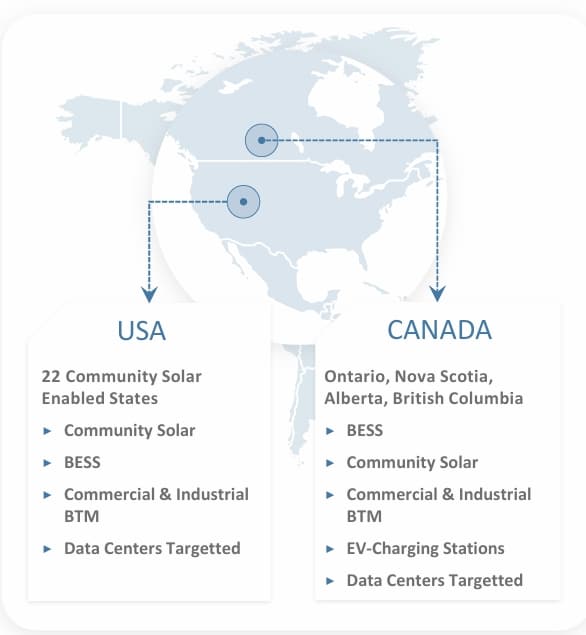
North American Growth Strategy: Development + EPC + O&M + IPPSource: SolarBank
Navigating the Potential Risks to Development
While the deal is promising certain risks remain. The press release revealed that developing these projects requires obtaining permits and securing financing for Qcells. Changes in government policies or reductions in solar incentives could also affect future project viability.
Qcells will make payments for the purchase and construction costs in stages. If Qcells cannot secure financing, SolarBank is obligated to reacquire the projects, retaining an initial payment as compensation. Essentially, SolarBank plans to retain an operations and maintenance contract for these projects after construction. This move will ensure continued involvement in their operation and enjoy long-term success.
Jin Han, Corporate Officer, Head of Distributed Energy at Qcells North America has affirmed this deal by noting,
“At Qcells, we are dedicated to delivering clean, affordable energy solutions to communities nationwide and around the globe. With a commitment of nearly $2.8 billion, we are working hard to onshore production of the solar supply chain from ingots and wafers to cells and finished panels. Each step we take strengthens domestic solar manufacturing, drives the clean energy transition, and brings us closer to a sustainable future for all.”
SolarBank Shares Surge 11% After $49.5M Qcells Deal
According to S&P Global SolarBank shares rose on Monday following the company’s announcement of selling its solar projects for $49.5 million. The stock gained 11%, reaching its highest at $2.66.
source: Yahoo Finance
Thus, this collaboration between SolarBank and Qcells is pivotal for advancing renewable energy in New York while supporting U.S.-based solar manufacturing. And we hope it Makes America Great Again!
https://globalcarbonfund.com/wp-content/uploads/2018/10/GCF_header_logo_340x156.png00carbonfundhttps://globalcarbonfund.com/wp-content/uploads/2018/10/GCF_header_logo_340x156.pngcarbonfund2025-01-07 22:11:322025-01-07 22:11:32SolarBank’s $49.5M Qcells Deal Accelerates U.S. Solar Growth – Exclusive Interview with CEO Dr. Richard Lu



 source: NASDAQ
 source: NASDAQ
 source: NASDAQ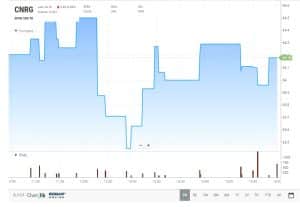
 Source: ICCT
 Source: ICCT



 Source: SolarBank
 Source: SolarBank