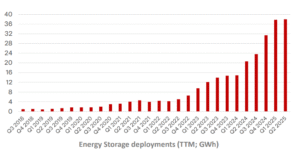
U.S. Lithium Push: How Washington’s Bet on Lithium Americas Could Reshape the Global Market

U.S. Lithium Push: How Washington’s Bet on Lithium Americas Could Reshape the Global Market

The lithium sector took center stage this week when Lithium Americas (NYSE: LAC) stock soared nearly 95% on reports that the Trump administration is considering taking an equity stake in the company’s Thacker Pass mine in Nevada. If it happens, this move would be one of the biggest government actions in U.S. mining in years. It shows how important lithium is to national policy now.

Behind the headlines lies a deeper story: America’s ambition to lead the clean energy transition risks colliding with a stark supply shortage. We highlight below, with the two charts, both the opportunity and the vulnerability facing the United States in this lithium quest.

A Lithium Crisis in the Making

The United States faces a lithium crisis that makes its clean energy ambitions look more like an aspiration than an execution. Current domestic production is only 2,700 metric tons a year. That’s too small compared to the 500,000 tons needed by 2030 to hit electric vehicle (EV) goals.

To put this in perspective:

  • The lithium in an iPhone weighs about the same as a penny.
  • A Tesla Model 3 battery pack requires around 12 kilograms.
  • A Ford F-150 Lightning demands closer to 17 kilograms.

At present mining levels, the U.S. produces enough lithium for only about 158,000 Tesla Model 3s annually. That’s in a market where Americans bought 1.4 million EVs in 2024 alone, with demand expected to climb sharply in the coming years.

This gap reveals a harsh reality: America’s lithium supply chain is ill-prepared for its electrification goals.

From Marginal Producer to Top Four — If Thacker Pass Delivers
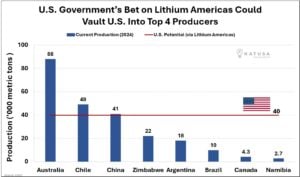
US potential to be top 4 lithium producers

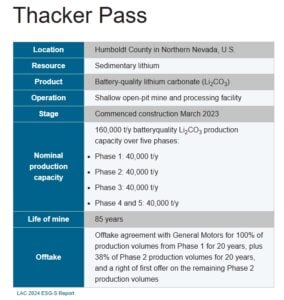
The government’s solution to this issue is projects like Lithium Americas’ Thacker Pass. It’s one of the largest lithium deposits in North America. If fully developed, it could boost U.S. production to around 40,000 tons each year. This would place the country among the top four producers, following Australia, Chile, and China.

That would mark a tenfold increase in output, but it is still far from enough. Even under the most optimistic forecasts, Thacker Pass would meet just 8% of projected U.S. demand by 2030, and a mere 3% of the 1.2 million tons expected by 2035.

Meanwhile, China has spent more than a decade locking up supply chains, securing lithium assets in Africa, South America, and Australia. It is also building refining infrastructure that now processes nearly 80% of the world’s lithium.

The comparison is striking: Zimbabwe produces eight times more lithium than the U.S. Even smaller producers, like Argentina, surpass American output. In this context, Washington’s sudden push for equity stakes is less about profits and more about survival in a high-stakes race for supply.

Reserves Rich, Supply Poor: The Untapped U.S. Advantage

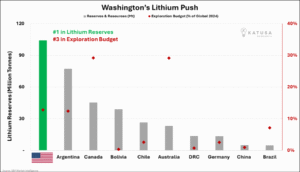
The second chart points to America’s hidden strength: the U.S. ranks first globally in lithium reserves, with more than 100 million tonnes identified. Despite this geological advantage, those resources remain largely untapped.
washington's lithium push

Encouragingly, the U.S. now ranks third in global exploration budgets, reflecting a deliberate policy pivot. Billions of dollars are going to exploration and project development, from Nevada to North Carolina. If even a fraction of these reserves is unlocked, the U.S. could rival today’s top producers and reduce dependence on foreign supply chains.

However, converting reserves into production requires more than exploration. Projects can hit delays with permits, face environmental lawsuits, struggle with financing, and deal with local opposition. All these issues can stretch timelines into decades. This is why federal involvement is becoming more important. This includes equity stakes, subsidies, and fast-tracking permits.

Why the LAC Surge Matters

The near-doubling of Lithium Americas’ stock was not just a speculative rally. It was a market signal that U.S. lithium policy is entering a new phase.

  • Government backing reduces financing risk, making it easier to attract institutional investors.
  • Aligning policies with EV makers like General Motors, which has a big stake in Thacker Pass, ensures supply security and offtake agreements.
  • National security framing places lithium on the same level as oil and gas. This makes lithium a strategic commodity and allows for more state intervention.

For automakers and battery manufacturers, this could mark the start of a more stable domestic supply base. For investors, it highlights how policy can rapidly change the outlook for mining equities.

Demand, Prices, and the Rollercoaster Market 

Lithium demand will rise quickly. Benchmark Mineral Intelligence (BMI) predicts that consumption of lithium carbonate equivalent (LCE) will surpass 2.4 million tonnes by 2030. That’s almost four times what we use now. By 2035, demand could climb past 5 million tonnes, fueled by electric vehicles and large-scale battery storage.
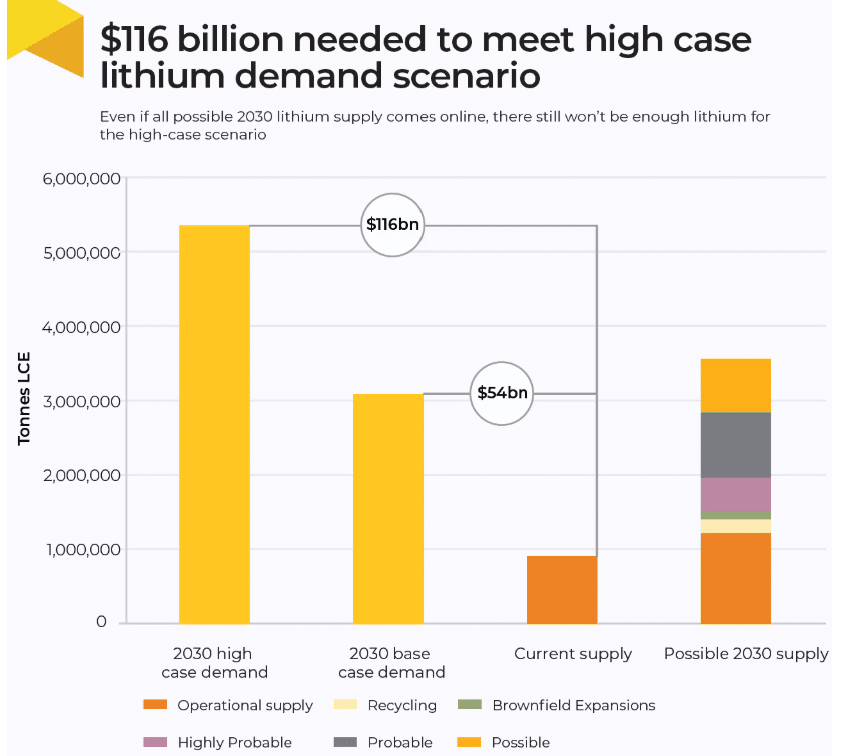
investment needed for high case lithium demand scenario

The industry needs hundreds of new projects to meet this surge. However, BMI points out that permitting delays, financing issues, and tech challenges are slowing supply growth.

Battery demand adds another layer of urgency. Analysts predict global battery capacity will reach nearly 4 terawatt-hours by 2030. This highlights lithium’s vital role in the clean energy shift.

The U.S. is still a minor player. Most refining and conversion happens in China, which holds about 80% of processing capacity. This imbalance shows why Washington supports projects like Lithium Americas. They want to secure a local supply.

Litium prices, meanwhile, have been highly volatile. After lithium carbonate reached over $80,000 per tonne in late 2022, prices dropped sharply. In 2023–2024, they fell by more than 80%, going below $10,000 earlier this year. BMI attributes the crash to oversupply from South America and weaker near-term EV sales in China, which created a temporary glut.
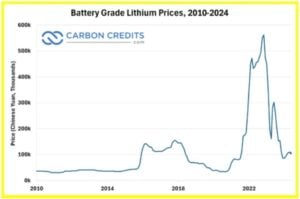
battery grade lithium prices

However, the consultancy stresses that volatility is cyclical, not structural. Demand is strong, and prices should bounce back. In fact, last August, prices climbed when China’s major battery player closed its major mine. 
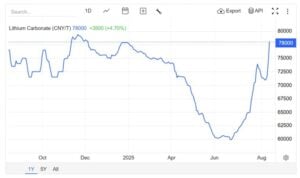
LCE price august 2025
Source: Trading Economics

New supply can’t keep up with long-term consumption. BMI warns that without steady investment and diversification of supply, future shortages could push prices sharply higher again by the late 2020s.

For the U.S., this shows why public investment matters. It helps create a strong domestic lithium industry. This will support electrification goals and better handle global changes.

Government in the Game: Stabilizing Supply Chains

U.S. government equity in Lithium Americas offers help in these areas:

  • Provide a floor for project financing — Government backing reduces the risk premium for lenders or institutional partners.
  • Stabilize supply — A guaranteed domestic source reduces reliance on external shocks.
  • Mitigate short-term volatility — If Thacker Pass operates under a model combining private and public capital, it could offer a more stable supply corridor insulated from market swings.
  • Signal future project structures — The U.S. may increasingly demand “state-option carve-outs” or partial equity as a condition for major critical mineral projects.

In a market where excess supply can drive prices into unprofitable territory, having a strategic anchor on flagship projects becomes a competitive edge.

Lithium as a Strategic Commodity

Lithium is no longer just a commodity for battery makers — it is now a strategic asset shaping national policy. The U.S. has the reserves, capital, and political will to be a major producer. But it will take years of teamwork to turn potential into production.

The Trump administration’s willingness to consider a government equity stake in Lithium Americas suggests a broader trend: future large-scale projects may require some form of state participation to succeed.

For the U.S., the stakes could not be higher. Without a reliable domestic lithium supply, the country risks falling behind in the global EV race, remaining dependent on supply chains controlled by rivals. With it, America could not only meet its clean energy goals but also secure a critical pillar of its industrial future.

The post U.S. Lithium Push: How Washington’s Bet on Lithium Americas Could Reshape the Global Market appeared first on Carbon Credits.

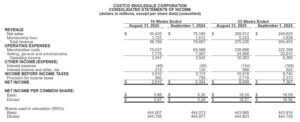
Costco’s (COST Stock) $86B Quarter: Balancing Bulk Profits with Bold Net-Zero Goals

Costco’s $86B Quarter: Balancing Bulk Profits with Bold Net-Zero Goals

Costco Wholesale Corporation (NASDAQ:COST) closed its fiscal fourth quarter with results that highlight both its financial strength and long-term sustainability commitments. The retailer reported revenue and earnings that beat expectations, showing it remains strong in a tough retail market.

At the same time, Costco reinforced its ambition to reach net-zero emissions by 2050, with interim 2030 targets already in motion. For investors, earnings results and ESG updates provide two key insights. They show strong business performance now and outline a path for future environmental responsibility.

Strong Financials, But Mixed Investor Reaction

Costco reported its fiscal fourth quarter results after markets closed. Adjusted earnings per share came in at $5.87, beating the $5.80 forecast.

Revenue reached $86.2 billion, narrowly ahead of expectations. However, same-store (comparable) sales rose 5.7%, slightly below the anticipated 5.9%.

Costco Q4 FY2025 results
Source: Costco

The company also revealed full-year sales of $269.9 billion, up 8.1% from $249.6 billion a year ago. Extended store hours implemented in summer added roughly 1% to weekly U.S. sales, according to the CEO — a modest but positive boost.

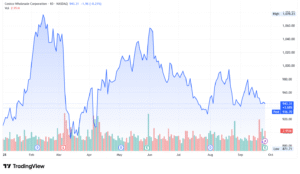
Investors were cautious, though, even with good results. They noted a small shortfall in comps and worried about margin pressure. Costco’s stock still dips despite better-than-expected results. 

costco stock price

Membership Muscle: Costco’s Secret Weapon

Costco’s strength lies in its membership model. The company ended the period with 81 million paid memberships, of which 38.7 million were executive tier. Renewals remain high, particularly in the U.S. and Canada.

Its limited product assortment and bulk sales model help streamline logistics and negotiating leverage with suppliers. Bulk buyers and value-seeking shoppers have kept foot traffic robust, even in tougher economic times.

Costco continues to expand overseas, focusing on markets like China and Spain. Its broad geographic reach—covering North America, Asia, and Europe—gives it scale and flexibility.

Greener Aisles: From Solar Roofs to Net-Zero Goals

Beyond financials and stock performance, Costco is advancing sustainability goals. The giant retailer has committed to net-zero greenhouse gas emissions by 2050.

To support that, it plans to reduce Scope 1 and Scope 2 emissions by 39% by 2030, using a 2020 baseline of approximately 2.6 million metric tons CO₂e. It also targets 100% renewable energy for operations by 2035.

Operational actions to reduce emissions include:

  • Upgrading refrigeration systems and phasing down hydrofluorocarbons (HFCs)
  • Switching to LED lighting and efficient HVAC systems
  • Installing solar panels at warehouses and depots

Scope 3 emissions remain the greatest hurdle. Costco has proposed a 20% reduction in certain Scope 3 categories (excluding fuel) by 2030 vs. 2020. This relies heavily on supplier cooperation.

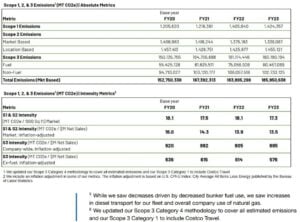
Third-party analysts estimate that Costco’s total operational footprint, including indirect sources, is 4–4.7 million metric tons of CO₂e. Meanwhile, Costco’s latest climate action plan report shows mixed but notable progress in its emissions profile.

  • Scope 1 emissions rose 1.3% between FY22 and FY23, though this increase was lower than the company’s overall growth in sales and store space.
  • Scope 2 market-based emissions dropped 3%. This decrease was due to more electricity being bought from clean energy sources.
  • Scope 3 emissions rose by 1%. This is much lower than the 7% rise in merchandising sales. It shows early signs of better efficiency in the supply chain.
Costco carbon emissions
Source: Costco

On ESG scores, S&P Global assigns Costco an ESG score of 36 (out of industry peers), reflecting its public disclosures.

Sustainability initiatives also include sourcing certified seafood, fair-trade coffee, and timber. Costco is expanding waste diversion efforts, recycling, and sustainable procurement.

ESG Actions and Progress

Costco’s Climate Action Plan includes:

  • Rooftop solar
  • Off-grid solar for depots
  • EV charging stations
  • Efficiency upgrades

The company also runs sustainable sourcing programs for seafood, coffee, and timber. These measures aim to lower emissions, reduce waste, and meet consumer demand for responsibly produced goods.

Why ESG Progress Matters for Investors

Investors see sustainability as part of long-term risk management. Energy efficiency cuts costs, renewable energy reduces exposure to fuel volatility, and Scope 3 engagement limits supply-chain risks. While these initiatives require upfront spending, they can strengthen Costco’s margins over time.

Large investors increasingly prefer stock companies with measurable climate targets like Costco’s. Its emission goals, clean energy commitments, and supplier engagement help it align with these expectations and support brand trust with customers.

Retail Rivalries: ESG as the New Competition Ground

Costco’s earnings come at a time of shifting dynamics in global retail. Inflationary pressures have eased somewhat compared to the highs of 2022–2023, but cost-sensitive consumers continue to seek value.

Bulk retailers like Costco are benefiting from these trends. Households are focused on saving money on food, household goods, and fuel. At the same time, ESG expectations are rising. Retailers face scrutiny over product sourcing, supply chain transparency, and emissions targets.

Costco competes with Walmart, Target, and Sam’s Club. These rivals are also pushing climate strategies and setting interim net-zero goals.

Industry analysts expect the global retail sector to grow by 4–5% each year until 2030. This growth will come from population increases, urbanization, and the rise of digital channels. Sustainability is now a key factor in competition. More consumers prefer companies that show strong climate commitments.

Outlook for Investors

Investors will now watch for guidance in Costco’s next earnings cycle:

  • How much margin pressure is expected (especially with extended store hours and energy costs)
  • Capex plans (how much will go toward growth vs. ESG projects)
  • Progress on emissions targets (updates on reductions or new milestones)
  • Membership growth and renewal stability

Costco’s ability to deliver both strong financials and steady ESG progress will determine its appeal to both traditional stock and sustainability-focused investors.

Bottom Line: Growth Meets Green Ambitions

Costco’s fourth quarter results underline its ability to deliver steady growth in a shifting retail landscape. Membership strength and operational efficiency remain clear advantages. Meanwhile, the company is advancing on its climate roadmap, though Scope 3 reductions will be difficult to achieve.

With this achievement, Costco offers a strong option for investors. It’s a solid retailer with dependable earnings while also aiming to improve its ESG profile. This effort helps it compete in a market where financial success and sustainability are both important.

The post Costco’s (COST Stock) $86B Quarter: Balancing Bulk Profits with Bold Net-Zero Goals appeared first on Carbon Credits.
AI and Biodefense – Working to Stay Ahead of Synthetic Drug Threats

* Disseminated on behalf of ARMR Sciences Inc.
* For Accredited Investors Only. Offered pursuant to Rule 506(c). Reasonable steps to verify accreditation will be taken before any sale.
PAID ADVERTISEMENT – SPONSORED CONTENT

Artificial intelligence (AI) is helping transform medicine, finance, and logistics. But experts warn it could also be turned against us. With advanced modeling, AI can now generate chemical blueprints at a substantially faster rate than previously available processes. As a result, National security leaders and AI thought leaders (including OpenAI’s Sam Altman), have voiced concerns that adversaries could weaponize AI to design new bioweapons.

The New Threat Landscape

Fentanyl already stands as the deadliest synthetic opioid in U.S. history, responsible for more than 220 deaths every day. But fentanyl itself is only the beginning. 

Analogs like carfentanil (100x stronger), xylazine (non-opioid threat), and nitazenes (40x stronger) are beginning to spread, many of which are not reversible with Narcan. 

The drug supply is becoming a testing ground for increasingly lethal compounds, some of which could be accelerated by AI-driven chemistry.

This dual challenge – lethal analogs on the street and the potential for AI-designed agents – has led federal agencies, including the Department of Defense and Homeland Security, to classify fentanyl and its cousins as chemical weapons of mass destruction. 

The crisis is no longer just a health issue; it is a national security emergency.

ARMR’s Defense Labs Approach

ARMR Sciences is working to position itself to confront this next phase. Its Defense Labs initiative combines AI-powered drug discovery with seven years of Department of Defense–funded science with the goal of building a scalable biodefense platform.

The company’s lead candidate, ARMR-100, designed to train the immune system to block fentanyl before it reaches the brain. In preclinical (animal) studies, ARMR-100 blocked 92% of fentanyl’s entry into the brain and eliminated its addictive behavioral effects (at this stage ARMR-100 is not FDA-approved, human safety and efficacy have not been established, and preclinical results may not predict clinical outcomes).

Unlike reactive tools such as naloxone, ARMR-100 is designed to provide months of protection – a biochemical shield against fentanyl and, eventually, other engineered analogs.

Beyond fentanyl, ARMR plans to develop additional immunotherapies for xylazine, nitazenes, and other emerging threats, creating a portfolio that evolves alongside the risks. 

By leveraging AI in its own labs, ARMR seeks to stay ahead of adversaries who might misuse the same technology. And in the battle between innovation and misuse, its proactive biodefense may prove to be America’s strongest shield.

The Scale and the Urgency 

With more than 130 million people in the U.S. considered high-risk – from opioid use disorder patients to first responders and military personnel – the potential market is vast. 

For policymakers, the message is clear: synthetic opioids are no longer only a health crisis, but a recognized national security threat. Classified alongside terrorism and cyberwarfare, fentanyl and its analogs demand rapid action. 

This urgency is creating bipartisan momentum for federal funding, regulatory fast-tracking, and stockpiling of new countermeasures. 

Why Investors Should Pay Attention

For investors, we believe that ARMR represents an opportunity to back a company that combines social impact with growth potential. Its model combines biotechnology, AI, and biodefense – a convergence few companies are addressing:

  • Seven years of DoD-backed research formed the platform’s foundation
  • Lead candidate ARMR-100 blocked 92% of fentanyl from entering the brain in preclinical studies
  • A $30M private raise is now open
  • A targeted exchange listing in the future

By investing in this round, investors have a chance to support ARMR as it works to build a category-defining role in AI-powered biodefense.

Invest now to help support ARMR’s efforts to build the nation’s first line of defense against fentanyl and other synthetic threats.

* For Accredited Investors Only. This offering is made pursuant to Rule 506(c) of Regulation D. All purchasers must be accredited investors, and the issuer will take reasonable steps to verify accredited status before any sale. Investing involves high risk, including the potential loss of your entire investment.

* This is a paid advertisement for ARMR’s private offering. Please read the details of the offering at InvestARMR.com for additional information on the company and the risk factors related to the offering.

* For investors from Canada: This advertisement forms part of the issuer’s marketing materials and is incorporated by reference into the issuer’s Offering Memorandum/Private Placement Memorandum under NI 45-106. Investors must receive and review the OM/PPM and execute the prescribed Form 45-106F4 Risk Acknowledgement before subscribing.

DISCLOSURES & DISCLAIMERS

CLIENT CONTENT: Carboncredits.com is not responsible for any content hosted on ARMR Sciences’ sites; it is ARMR Sciences’ responsibility to ensure compliance with applicable laws.

NOT INVESTMENT ADVICE: Content is for educational, informational, and advertising purposes only and should NOT be construed as securities-related offers or solicitations. All content should be considered promotional and subject to disclosed conflicts of interest. 

Do NOT rely on this as personalized investment advice. Do your own due diligence.

Carboncredits.com strongly recommends you consult a licensed or registered professional before making any investment decision.

REGULATORY STATUS: Neither Carboncredits.com nor any of its owners or employees is registered as a securities broker-dealer, broker, investment advisor, or IA representative with the U.S. Securities and Exchange Commission, any state securities regulatory authority, or any self-regulatory organization.

CONTENT & COMPENSATION DISCLOSURE: Carboncredits.com has received compensation of thirty thousand dollars from ARMR Sciences for this sponsored content. You should assume we receive compensation as indicated for any purchases through links in this email via affiliate relationships, direct/indirect payments from companies or third parties who may own stock in or have other interests in promoted companies. We may purchase, sell, or hold long or short positions without notice in securities mentioned in this communication.

RESULTS NOT TYPICAL: Past performance and results are unverified and NOT indicative of future results. Results presented are NOT guaranteed as TYPICAL. Market conditions and individual circumstances vary significantly. Actual results will vary widely. Investing in securities is speculative and carries high risk; you may lose some, all, or possibly more than your original investment.

HIGH-RISK: Securities discussed may be highly speculative investments subject to extreme volatility, limited liquidity, and potential total loss. The Securities are suitable only for persons who can afford to lose their entire investment. Furthermore, investors must understand that such investment could be illiquid for an indefinite period of time. No public market currently exists for the securities, and if a public market develops, it may not continue.

DISCLAIMERS & CAUTIONARY STATEMENT: Certain statements in this presentation (the “Presentation”) may be deemed to be “forward-looking statements” within the meaning of Section 27A of the 1933 Securities Act and Section 21E of the Exchange Act of 1934, as amended, and are intended to be covered by the safe harbor provisions for forward-looking statements. Such forward-looking statements can be identified by the use of words such as ”should,” ”may,” ”intends,” ”anticipates,” ”believes,” ”estimates,” ”projects,” ”forecasts,” ”expects,” ”plans,” and ”proposes.” Forward-looking statements, which are based on the current plans, forecasts and expectations of management of ARMR Sciences Inc. (the “Company” or “ARMR Sciences”), are inherently less reliable than historical information. Forward-looking statements are subject to risks and uncertainties, including events and circumstances that may be outside our control.

Although management believes that the expectations reflected in these forward-looking statements are based on reasonable assumptions, there are a number of risks and uncertainties that could cause actual results to differ materially from such forward-looking statements. Risks and uncertainties that could cause actual results to differ materially include, without limitation, those risks identified in the Private Placement Memorandum. Forward-looking statements speak only as of the date of the document in which they are contained, and ARMR Sciences Inc. does not undertake any duty to update any forward-looking statements except as may be required by law.

Any forward-looking financial forecasts contained in this Presentation are subject to a number of risks and uncertainties, and actual results may differ materially. You are cautioned not to place undue reliance on such forecasts. No assurances can be given that the future results indicated, whether expressed or implied, will be achieved. While sometimes presented with numerical specificity, all such forecasts are based upon a variety of assumptions that may not be realized, and which are highly variable. Because of the number and range of the assumptions underlying any such forecasts, many of which are subject to significant uncertainties and contingencies that are beyond the reasonable control of the issuing company, many of the assumptions inevitably will not materialize and unanticipated events and circumstances may occur subsequent to the date of any financial forecast.

ARMR Sciences Inc. takes no responsibility for any forecasts contained within the Presentation. None of the information contained in any offering materials should be regarded as a representation by ARMR Sciences Inc. The Company’s forecasts have not been prepared with a view toward public disclosure or compliance with the guidelines of the SEC, the American Institute of Certified Public Accountants or the Public Company Accounting Oversight Board. Independent public accountants have not examined nor compiled any forecasts and have not expressed an opinion or assurance with respect to the figures.

This Presentation also contains estimates and other statistical data made by independent parties and by management relating to market size and other data about our industry. This data involves a number of assumptions and limitations, and you are cautioned not to give undue weight to such estimates.

ARMR Sciences Inc. is currently undertaking a private placement offering of Offered Shares pursuant to Section 4(a)(2) of the 1933 Act and/or Rule 506(c) of Regulation D promulgated thereunder. Investors should consider the investment objectives, risks, and investment time horizon of the Company carefully before investing. The private placement memorandum relating to the offering of Securities will contain this and other information concerning the Company, including risk factors, which should be read carefully before investing.

The Securities are being offered and sold in reliance on exemptions from registration under the 1933 Act. In accordance therewith, you should be aware that (i) the Securities may be sold only to “accredited investors,” as defined in Rule 501 of Regulation D; (ii) the Securities will only be offered in reliance on an exemption from the registration requirements of the Securities Act and will not be required to comply with specific disclosure requirements that apply to registration under the Securities Act; (iii) the United States Securities and Exchange Commission (the “SEC”) will not pass upon the merits of or give its approval to the terms of the Securities or the offering, or the accuracy or completeness of any offering materials; (iv) the Securities will be subject to legal restrictions on transfer and resale and investors should not assume they will be able to resell their securities; and (v) investing in these Securities involves a high degree of risk, and investors should be able to bear the loss of their entire investment. Furthermore, investors must understand that such investment could be illiquid for an indefinite period of time.

The Company is “Testing the Waters” under Regulation A under the Securities Act of 1933. The Company is not under any obligation to make an offering under Regulation A. No money or other consideration is being solicited in connection with the information provided, and if sent in response, will not be accepted. No offer to buy the securities can be accepted and no part of the purchase price can be received until an offering statement on Form 1-A has been filed and until the offering statement is qualified pursuant to Regulation A of the Securities Act of 1933, as amended, and any such offer may be withdrawn or revoked, without obligation or commitment of any kind, at any time before notice of its acceptance given after the qualification date.   
 
The securities offered using Regulation A are highly speculative and involve significant risks. The investment is suitable only for persons who can afford to lose their entire investment. Furthermore, investors must understand that such investment could be illiquid for an indefinite period of time. No public market currently exists for the securities, and if a public market develops following the offering, it may not continue. The Company intends to list its securities on a national exchange and doing so entails significant ongoing corporate obligations including but not limited to disclosure, filing and notification requirements, as well compliance with applicable continued quantitative and qualitative listing standards.

The post AI and Biodefense – Working to Stay Ahead of Synthetic Drug Threats appeared first on Carbon Credits.
China Moves Toward Carbon Cap: Xi Jinping Pledges 7–10% Emissions Cut by 2035

China, the biggest emitter of greenhouse gases, has set its first absolute emissions reduction goal. In a video at the UN climate summit in New York, President Xi Jinping announced that China aims to cut emissions by 7 to 10% by 2035 compared to its peak.

This marks a major shift in China’s climate policy. Before, the focus was on reducing carbon intensity and setting peak timelines. While this pledge indicates progress, many experts believe it lacks the ambition needed to meet global targets in the Paris Agreement.

A New Era in China’s Climate Policy

Xi’s pledge is China’s first absolute emissions reduction goal. It targets all greenhouse gases and economic sectors, moving beyond earlier commitments that focused only on carbon intensity.

In addition to the 7–10 percent cut, Beijing promised to:

  • Increase the share of non-fossil fuels to over 30 percent of total energy use by 2035.
  • Expand wind and solar capacity to 3,600 gigawatts, over six times 2020 levels.
  • Strengthen its national emissions trading market to support reductions.

As reported by the leading daily, South China Morning Post, Xi called this change a sign of the times, stating: “Green and low-carbon energy and development transition are the trend of our era.”

However, climate advocates quickly pointed out the shortcomings. Yao Zhe, a global policy adviser from Greenpeace East Asia, noted that to meet the Paris Agreement’s 1.5°C limit, China needs to cut emissions by at least 30 percent by 2035. Some studies suggest cuts of over 50 percent are necessary.

Between Caution and Flexibility

China’s choice of a conservative target is strategic. Experts say the 7–10 percent cut reflects Beijing’s desire to maintain flexibility for economic growth and energy security.

Xi also suggested the commitment might be exceeded, calling it a “floor, not a ceiling.” This means stronger reductions could happen based on changing domestic and international conditions.

Signs of a Peak: China’s Emissions Show Early Decline

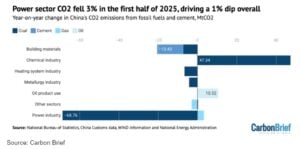
Recent data hints that China’s emissions may have peaked. From March 2024 to March 2025, emissions from the power sector dropped by about 2 percent due to record renewable capacity and reduced coal use.

In the first half of 2025, overall CO₂ emissions fell by about 1 percent. Solar installations hit record highs, and wind power capacity surged. Coal consumption in power dropped by 3 percent during this time.

Chine emissions

Yet, contradictions remain. Emissions from coal-based chemicals and synthetic fuels are still rising, undermining progress. Additionally, 2024 saw the highest number of new coal power permits in a decade, showing provincial governments still rely on coal for short-term needs.

China’s greenhouse gas emissions were around 15.8 gigatonnes of CO₂ equivalent in 2024, near record levels. Analysts expect a plateau soon, followed by gradual declines, but only if the next five-year plan prioritizes rapid decarbonization.

Record-Breaking Clean Energy Push

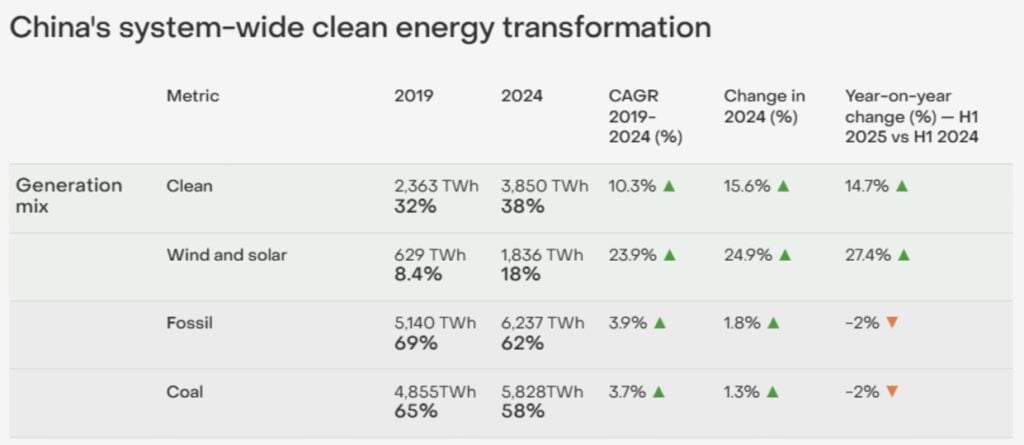
Despite the modest target, China’s clean energy growth is remarkable. According to Ember’s China Energy Transition Review 2025, the country invested $625 billion in renewables in 2024, surpassing Europe and North America combined.

Key milestones include:

  • Wind and solar capacity exceeded 1,200 gigawatts by 2024, hitting the target six years early.
  • Investment in national energy projects, like offshore wind and grid upgrades, rose 22 percent year-on-year in the first half of 2025.
  • New energy storage technologies saw a 69 percent increase in deployment.
  • A national power market is expected to launch by late 2025, allowing for cross-regional trading and more renewable energy participation.

China’s renewable pipeline now exceeds 1 terawatt, more than double the EU’s total capacity. The speed and scale of this growth are unmatched globally.

In the past 15 years, China has turned its industrial strength into a major force for global decarbonization. No other country can produce energy technologies at this scale, reshaping global markets.

China clean energy
Source: Ember

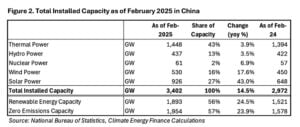
Now moving on to this year, NEA data shows that as of February 2025, China has a total cumulative installed power capacity of 3,402GW. It’s up14.5% yoy.

China renewable capacity

Global Climate Stage: Xi’s Pledge Shakes the Spotlight

Xi’s announcement comes as global climate politics reach a crucial point. Top media reports indicate that nations must update their 2035 climate plans under the Paris Agreement before COP30 in Brazil. As the largest emitter, China’s targets will greatly influence global warming limits.

While Beijing chose a cautious target, the European Union is moving aggressively. The EU plans to cut emissions by 66 to 72 percent by 2035, far more ambitious than China’s promise. The bloc is finalizing its plan this year as part of its goal for net zero by 2050.

India has not yet proposed an absolute emissions reduction goal, focusing instead on reducing carbon intensity and boosting non-fossil fuel use.

The United States has stepped back under President Trump, who called climate efforts “the greatest con job ever.” This gap in climate leadership is one Xi seems eager to fill. He criticized countries resisting climate action, urging international focus.

Brazil’s President Luiz Inácio Lula da Silva praised China’s plan, stating that Beijing is advancing “much further” in its energy transition than critics believe.

China’s Climate Path: Ambition or Hesitation?

Critics argue that China’s pledge falls short of what’s necessary. Yet, even a 7–10 percent cut means a significant reduction in absolute terms. For China, this could mean hundreds of millions of tonnes of emissions avoided by 2035.

This pledge shows a structural shift. China is moving from relative intensity goals to an absolute cap. This is required under the Paris Agreement for countries that have peaked their emissions. This change makes it harder to rely on efficiency gains while emissions rise.

China’s 7–10 percent emissions cut by 2035 is historic yet underwhelming. It marks a first step toward reducing emissions from the world’s largest greenhouse gas source, but does not meet scientific demands to keep warming below 1.5°C.

The country’s clean energy growth is unmatched. It’s reshaping global supply chains and lowering costs. With record renewable investments and quick electrification, Beijing acts as both a careful climate player and a leader in the green transition.

Nonetheless, whether China deepens its ambition in the coming years will be crucial for the world’s climate future.

The post China Moves Toward Carbon Cap: Xi Jinping Pledges 7–10% Emissions Cut by 2035 appeared first on Carbon Credits.
Macquarie Raises $3B Energy Transition Fund to Boost the Net-Zero Future

Macquarie Raises $3B Energy Transition Fund to Power the Net-Zero Future

Macquarie Asset Management has closed a $3 billion fund to speed up the global energy transition. The fund, called Macquarie Green Energy Transition Solutions (MGETS), exceeded its original target after strong demand from investors. The money will support projects that cut greenhouse gas emissions and build a cleaner energy system.

More than 65% of the fund is already committed. Early investments target renewable energy storage, sustainable fuels, carbon capture, and electric transport systems. By backing both proven and emerging solutions, Macquarie shows that climate-focused investing is now central to its strategy.

Where the Billions Are Going

MGETS is designed to finance infrastructure and technology that reduces carbon. This includes battery energy storage, distributed renewable power, clean transportation, and sustainable fuels. It also covers carbon capture, recycling, and circular economy projects.

So far, the fund has backed 12 projects. These include Eku Energy, a UK-based battery storage platform; SkyNRG, a Dutch producer of sustainable aviation fuel; and Verkor, a French maker of EV batteries. These examples show the fund’s focus on areas where emissions are hardest to cut.

The fund also targets low-carbon technologies that are still developing, such as green hydrogen, carbon capture, and advanced batteries. These solutions are not yet scaled up, but early capital is needed to drive progress and lower costs.

Investing in these technologies carries risks. Costs are high, and technical barriers remain. But the long-term growth potential is strong. As countries and companies set net-zero targets, demand for these technologies will increase. Macquarie is positioning itself as a leader by supporting both current infrastructure and future innovations.

Key Features of the Fund

Here are some of the fund’s highlights:

  • Fund size: $3 billion
  • Focus: Energy transition projects
  • Sectors: Renewable power, grid upgrades, clean fuels, storage, and clean transport
  • Scope: Developed and emerging markets worldwide
  • Structure: Mix of equity and debt financing
  • Goal: Cut emissions and support net-zero pathways
  • Investors: Global institutions such as pension funds and sovereign wealth funds

This flexible structure allows the fund to support both large-scale projects and smaller ventures that need growth funding.

The Investor Surge: Why Demand Exceeded Expectations

The strong demand for MGETS highlights how fast climate finance is growing. Pension funds, insurers, and sovereign wealth funds see the energy transition as both a duty and an opportunity. They can back low-carbon infrastructure while earning stable returns.

The fund also shows how investment is expanding beyond solar and wind. Macquarie is putting money into enablers of the transition, such as grid flexibility, carbon storage, and clean fuels.

The International Energy Agency (IEA) forecasts global energy investment will hit a record $3.3 trillion in 2025, led by clean energy technologies. Of this, $2.2 trillion will go to renewables, nuclear, and energy storage — about double the amount slated for fossil fuels. Solar power could attract $450 billion, while battery storage investment rises to around $66 billion.

energy investment 2025 IEA report

According to the IEA, global clean energy investment could reach $4.5 trillion annually by 2030 if countries meet their climate goals. Funds like MGETS are meant to help close this gap.

Scaling Climate Impact: From Europe to the World

The launch of MGETS shows the scale of funding needed to meet climate targets. Private capital, alongside public funding, will be critical.

By committing $3 billion, Macquarie sets an example for other asset managers. The fund is also expected to attract co-investments and partnerships, expanding its impact far beyond its initial size.

Institutional Capital as a Climate Catalyst

Large investors are under pressure to align their portfolios with climate goals. They are looking for opportunities that combine stable returns with measurable impact. MGETS offers one way to do this.

Macquarie is not alone. BlackRock and Brookfield have also raised multi-billion-dollar energy transition funds. Together, these efforts show how finance is becoming a key driver of climate action. 

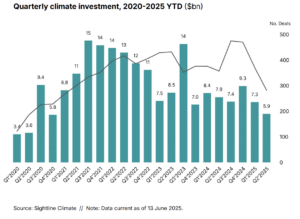
Separately, a venture capital alliance overseeing $60 billion in assets has launched a $300 million fund to support climate-tech startups. Called the “All Aboard Coalition,” the fund aims to help firms scale from pilot to commercial stage.

It aims to close what’s known as the “valley of death” in clean technology. Backers include Breakthrough Energy, Khosla Ventures, and DCVC. This move comes amid a multi-year drop in climate-tech investments and seeks to restore funding momentum in the sector.

quarterly climate investment

Opportunities vs. Risks: Navigating the Transition

The opportunities are clear. Demand for clean power, EVs, and smart grids will rise over the next decade. Technologies that reduce emissions will become more profitable as rules tighten and companies aim for net zero.

But there are risks. Some technologies are costly or unproven. Policy changes, such as shifts in subsidies or carbon pricing, can affect returns. Large projects also face hurdles with permits, supply chains, or local opposition. Climate risks such as extreme heat, flooding, or storms can also impact assets directly. Macquarie will need to manage these challenges carefully.

Early Momentum and Global Reach

Despite these risks, the fund has momentum. With over 65% already invested, Macquarie is moving fast. Current projects are based in the UK, France, and the Netherlands, but the fund plans to operate globally.

The name “Green Energy Transition Solutions” reflects its broad focus. It is not only about generating clean power but also about enabling systems that cut emissions across industries.

Looking Ahead: Funding the $4.5 Trillion Net-Zero Gap

The energy transition requires trillions of dollars in funding by 2050. This growth will continue, with more money flowing to energy storage, carbon capture, and clean transport.

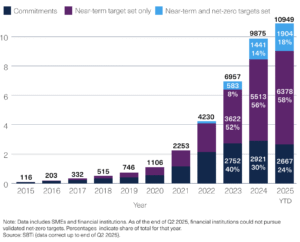
Corporate net-zero pledges also create demand. Over 6,000 companies worldwide have set science-based climate targets. In 2023, companies with SBTi-approved climate targets made up 39% of global market value, rising to 41% in 2024. These businesses also grew faster than the wider economy, with market value increasing 16%, compared to 11% growth in global GDP.

This adds pressure on supply chains and energy providers to cut emissions. Financial players like Macquarie are stepping in to provide both funding and expertise.

Companies with SBTi commitments or targets
Source: SBTi


Macquarie’s $3 billion fund is part of a much larger movement. To keep global warming to 1.5°C, clean energy investment must rise sharply over the next decade. Funds like MGETS can help connect technology developers, infrastructure operators, and investors.

The success of the fund will depend on two things: financial returns and real carbon reductions. If Macquarie delivers on both, it could attract more capital and inspire others to follow. That would speed up the world’s shift to a low-carbon economy.

The post Macquarie Raises $3B Energy Transition Fund to Boost the Net-Zero Future appeared first on Carbon Credits.
Uranium Energy Corp (UEC) Reports $66.8M Revenue in 2025, Expands U.S. Nuclear Supply Chain and Sustainability Goals

uec

Uranium Energy Corp (NYSE:UEC) reported its fiscal 2025 results, showing revenue of $66.84 million. This fell short of Wall Street’s $77.2 million estimate. The company also recorded a net loss of -$0.20 per share, slightly above the expected -$0.18.

Despite this earnings miss, UEC shares rose 1.66% in pre-market trading. Investors were encouraged by the company’s operational progress, strategic acquisitions, and strong balance sheet. UEC is positioning itself as a key player in the U.S. effort to rebuild its nuclear fuel supply chain.

UEC Stock Performance 

UEC stock
Source: UEC

Uranium Energy Corp’s Financial Strength and Uranium Ramp-Up 

UEC’s financial highlights indicate a focus on future growth:

  • Revenue: $66.8 million, driven by 810,000 pounds of uranium sold at an average price of $82.52 per pound in the first half of fiscal 2025.

  • Gross Profit: $24.5 million from uranium sales.

  • Inventory Build: As of July 31, 2025, the company held 1.36 million pounds of uranium valued at $96.6 million. Another 300,000 pounds will be added through contracts at $37.05 per pound by December 2025.

  • Balance Sheet: UEC closed the year with $321 million in cash, inventory, and equities, with no debt.

The press release says UEC is fully unhedged, which maximizes its exposure to rising uranium prices. This approach enabled opportunistic sales earlier this year and helped grow inventory for future contracts, including possible sales to the U.S. Uranium Reserve.

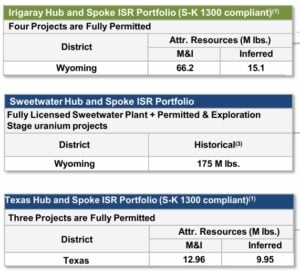
Notably, at Christensen Ranch in Wyoming, two new in-situ recovery (ISR) mine units began operations. This will boost production in the Powder River Basin. In Texas, construction at Burke Hollow is 90% complete. Operations are set to start by December 2025.

uec uranium energy corp
Source: UEC

Expanding U.S. Uranium Assets: Sweetwater Acquisition

In 2025, UEC boosted its position by buying Rio Tinto’s Sweetwater Plant and Wyoming assets for $175 million. The deal added about 175 million pounds of historic resources and a processing plant capable of producing 4.1 million pounds annually.

The U.S. government granted Sweetwater a FAST-41 designation under President Trump’s March 2025 order to speed up critical mineral projects. This lets UEC fast-track ISR permitting. The acquisition also gave UEC over 6.1 million feet of historic drilling data, multiple permitted mines. It included Sweetwater, Big Eagle, and Jackpot, and saved time and costs by upgrading the existing plant.

The move strengthens UEC’s role as the uranium company with the largest and most diverse resource base in the Western Hemisphere.

Roughrider Pre-Feasibility Study Advances in Canada

Outside the U.S., UEC advanced its Roughrider Project in Saskatchewan’s Athabasca Basin, known for its rich uranium deposits.

In fiscal 2025, the company:

  • Completed metallurgical tests, including solvent extraction and yellowcake precipitation.

  • Launched a pre-feasibility study (PFS) to advance this high-grade project.

  • Sought proposals for technical reporting on the project.

Roughrider highlights UEC’s strategy to balance U.S. assets with opportunities in Canada’s uranium basin, enhancing its long-term growth potential.

Launch of U.S. Uranium Refining & Conversion Corp

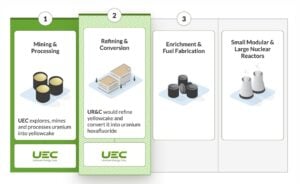
In a strategic step, UEC launched the United States Uranium Refining & Conversion Corp (UR&C), a wholly owned subsidiary. This initiative aims to make UEC the only vertically integrated U.S. uranium company, covering mining, processing, refining, and conversion.

The facility will produce Uranium Hexafluoride (UF₆), essential for both traditional nuclear reactors and next-generation small modular reactors (SMRs).

UEC’s refining and conversion plans align with U.S. policy under the Defense Production Act, which seeks to strengthen the American nuclear fuel supply chain. Early discussions with federal and state energy authorities, utilities, and investors are already in progress.

UEC uranium
Source: UEC

U.S. Nuclear Policy and AI Power Demand Boost Outlook

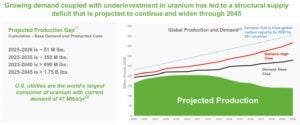
UEC’s strategy is gaining strength from U.S. nuclear policy and rising energy demand. President Trump’s pledge to quadruple nuclear power, along with Energy Secretary Chris Wright’s plan to build domestic uranium reserves, gives the sector strong momentum.

At the same time, soaring demand from AI and data centers is reshaping power markets. Nuclear energy, as a carbon-free and scalable option, is drawing major private investment through long-term agreements.

Going into fiscal 2026, Uranium Energy Corp is in a strong position. The company has made progress with operations, key acquisitions, and solid finances, all aligned with U.S. policy. Additionally, its unhedged strategy lets it capture the full benefit of rising uranium prices. Development at Sweetwater, expansions at Christensen Ranch and Burke Hollow, and long-term growth from Roughrider add to its strength in the supply chain.

With AI-driven demand meeting supportive U.S. policy, nuclear energy is set to play a central role in clean power and energy security. UEC is ready to take advantage of this momentum and grow as a leading U.S. uranium supplier.

UEC uranium
Source: UEC

UEC’s Path to Cleaner Uranium and Biodiversity Protection

In 2025, UEC’s sustainability efforts received a Sustainalytics rating of 23.8, placing it in the top 5% of the Diversified Metals and Mining subindustry.

Greenhouse Gas Emissions

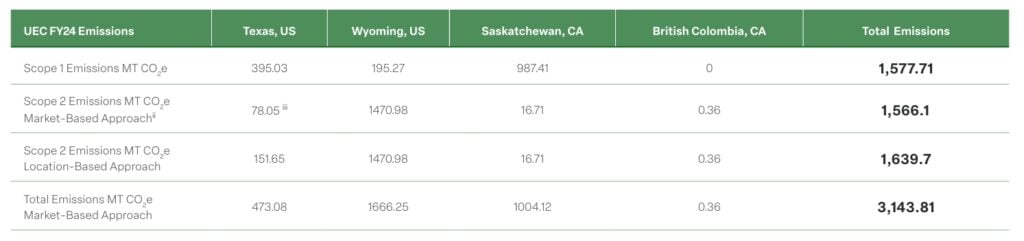
UEC’s company-wide GHG emissions for FY24 totaled 3,143.81 MT CO₂e. It invested over $400,000 in R&D for decarbonization and mine design, and enhanced scenario planning to better manage climate risks.

Its decarbonization efforts include:

  • Saskatchewan & Wyoming: Expanded decarbonization studies, explored renewable energy, electric and hybrid vehicles, and renewable diesel for heavy equipment.
  • Energy Efficiency: Cut fuel use 30% with efficient drills, added LED lighting, VFDs, and a garbage compressor; procured 73.6 MT CO₂e in RECs at Palangana.
  • Texas & Wyoming: At Roughrider, optimized energy use, lowered emissions, reduced waste, and increased hydroelectric power.
UEC emissions
Source: UEC

A Larger Share: Scope 3 Emissions: 

UEC’s Scope 3 study revealed that the majority of the company’s value chain emissions—around 91%—originate from Category 10: Processing of Sold Products.

This category covers all processes the uranium undergoes after the sale of yellowcake, including conversion, enrichment, and fuel fabrication. Total Scope 3 GHG emissions amounted to 336,801 MTCO₂e.

Biodiversity and Reclamation

The uranium miner is dedicated to reclaiming all land impacted by ISR activities. It has allocated over $27 million for reclamation in Texas and Wyoming. The company also avoids exploration in World Heritage sites and protected areas. This aligns with global biodiversity standards.

Thus, from the Sweetwater acquisition and Roughrider development to launching UR&C, Uranium Energy Corp is creating a fully integrated uranium supply chain while cutting emissions and protecting biodiversity. And lastly, with AI-driven energy demand and strong U.S. nuclear policies, UEC is poised to lead the clean, carbon-free power transition in America.

The post Uranium Energy Corp (UEC) Reports $66.8M Revenue in 2025, Expands U.S. Nuclear Supply Chain and Sustainability Goals appeared first on Carbon Credits.

Lithium Americas (LAC) Stock Rockets 95% as Trump Seeks Government Equity in Nation’s Largest Lithium Mine

A recent exclusive from Reuters revealed that the Trump administration is aiming to secure a 10% stake in Lithium Americas (NYSE: LAC). This move is part of ongoing negotiations to revise a $2.3 billion Department of Energy loan, which backs the Thacker Pass lithium project in Nevada—developed in partnership with General Motors.

The move shows Washington’s increasing readiness to take charge of key mineral projects. This aims to protect national security and lessen dependence on China.

Trump Targets Lithium Americas Equity

This proposed deal reflects a larger trend. Trump officials have pursued stakes in Intel, MP Materials, and other key tech firms. Washington’s push for direct equity in Lithium Americas shows that taxpayer-backed financing needs real returns. This is vital for sectors important to the clean energy transition.

The same Reuters report revealed what a White House official told the news agency. He said, “President Trump supports this project. He wants it to succeed and also be fair to taxpayers. But there’s no such thing as free money.”

Loan Backdrop: A $2.26 Billion Bet

In October 2024, the U.S. Department of Energy’s Loan Programs Office (LPO) approved a $2.26 billion loan for Lithium Nevada Corp., part of Lithium Americas. This loan includes $1.97 billion in principal and $289.7 million in capitalized interest. It’s one of the largest federal investments in U.S. lithium production.

The loan lasts for 24 years and has an interest rate tied to the U.S. Treasury rate. It will fund facilities to produce lithium carbonate for lithium-ion batteries.

Thacker Pass: America’s Lithium Powerhouse

Thacker Pass is in Humboldt County, Nevada, about 25 miles south of the Oregon border. It aims to be the largest lithium source in the Western Hemisphere. Construction has been underway for nearly a year, with over 600 contractors currently active on-site.

The project is massive in scale:

  • Phase 1 output: 40,000 tonnes of battery-grade lithium carbonate annually.
  • Enough material to power up to 800,000 electric vehicles (EVs) each year.
  • Backed by the world’s largest measured lithium resource, enabling the development of a full lithium district in northern Nevada.

Slated to open in 2028, Thacker Pass is seen as a cornerstone of America’s clean energy strategy, promising to cut foreign dependence while fueling the EV boom.

thacker pass lithium americas
Source: Lithium Americas

Economic Impact for Nevada Communities

The Thacker Pass project also carries major local economic benefits. During construction, it is expected to create 1,800 jobs, with 360 permanent positions once operational. These jobs range from chemical processing specialists to management roles, providing new opportunities for rural Nevada.

The Biden administration earlier emphasized that the project aligns with its pledge to ensure the energy transition generates prosperity in communities that have historically been left out of economic growth.

Why Trump Wants a Bigger Piece

Despite bipartisan support, the Trump administration has raised concerns about loan repayment amid a slump in lithium prices caused by Chinese overproduction. The fear: Lithium Americas might struggle to repay the DOE loan, potentially putting taxpayer dollars at risk.

Trump officials are demanding stronger safeguards, including:

  • Equity Warrants: No-cost warrants that could give Washington 5%–10% ownership of Lithium Americas.
  • GM Guarantees: A binding commitment that General Motors (GM) will purchase lithium from Thacker Pass for decades.
  • Project Oversight: Pressure on GM to relinquish parts of its project control to the federal government.
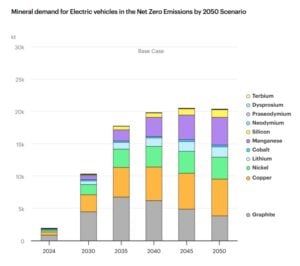
GLOBAL LITHIUM DEMAND
Source: IEA

GM’s $625 Million Bet on Lithium

GM invested $625 million in Thacker Pass in 2024, securing a 38% stake and long-term supply rights. The automaker locked in access to all lithium from the mine’s first phase and part of the second phase for 20 years, making the project essential to GM’s EV strategy.

A GM spokesperson stressed: “We’re confident in the project, which supports the administration’s goals. The loan is a necessary part of financing to commercialize this important national resource.”

For GM, Thacker Pass is a supply lifeline as it ramps up EV production under its electrification roadmap.

A Tightrope Over Loan Restructuring

Lithium Americas had sought a modification in the loan’s amortization schedule—shifting when certain payments are due, though not altering the overall repayment timeline or interest owed.

In exchange, the company offered no-cost equity warrants equal to 5–10% of its common shares and funds to cover the administrative costs of restructuring.

But as we understand, Trump officials want more. They see the deal as a chance to ensure taxpayers capture upside from any future rise in lithium prices and to cement federal influence over a strategic resource.

Even under the existing loan agreement, Washington holds protections. Reuter explained that clauses in the contract allow the government to seize control of the project if it faces significant delays or cost overruns. That safeguard reflects how seriously the U.S. views critical mineral projects in its broader economic and defense strategy.

Lithium Supply: America’s Weak Spot

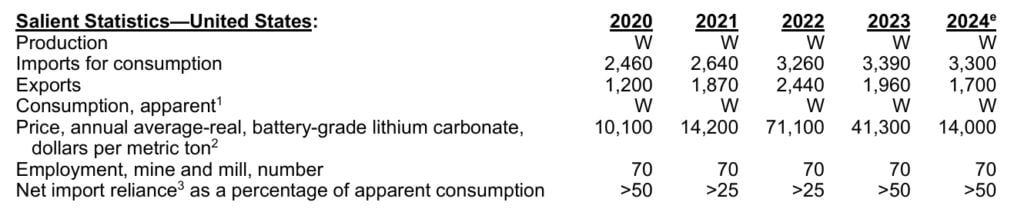
Currently, the U.S. produces less than 5000 tonnes of lithium per year, less than 1% of global supply. By contrast, Australia, Chile, and China dominate mining, while China refines over 75% of the world’s battery-grade lithium.

Latest lithium data from USGS shows:

  • U.S. reserves: ~1.8 million tonnes.
  • Geological resources: ~19 million tonnes.
  • Global production (2024): 240,000 tonnes.

That imbalance leaves the U.S. heavily exposed. Overreliance on foreign supply chains poses risks to defense capabilities, infrastructure, and technology development. With minerals traveling an average of 50,000 miles before being assembled into batteries, the carbon footprint of global lithium supply is also a concern.

u.s. lithium USGS
Source: USGS

Thacker Pass promises to change the equation by establishing a domestic EV battery supply chain, reducing emissions, and enhancing economic security.

China’s Grip on Lithium

China may not be the top miner of lithium, but its control of refining capacity is unrivaled. The country processes 60–75% of the global supply, turning raw ore into the high-purity lithium carbonate and hydroxide required for EV batteries.

That dominance has raised concerns in the U.S., which views domestic lithium production as crucial for both the energy transition and national security. Direct U.S. ownership in Thacker Pass would send a clear message: America is ready to compete.

Lithium Americas Stock (NYSE: LAC) Jumps

This announcement fueled a dramatic rally in Lithium Americas’ stock. Shares closed at $3.07, then soared pre-market to $5.23 – a remarkable jump of nearly 71%. After markets opened, the price surged even higher, reaching $6.30 intraday. The rally sent the company’s market capitalization above $1.39 billion, highlighting how direct government involvement can rapidly transform investor confidence and reshape valuation.

Other U.S. lithium developers—including ioneer (ASX: INR), Standard Lithium (TSX-V: SLI), and even Exxon Mobil (NYSE: XOM), which has entered lithium projects—are closely watching. If Washington pursues direct ownership across the sector, project financing and timelines could shift overnight.

By seeking a stake in Lithium Americas, the Trump administration is reshaping how the U.S. approaches critical mineral projects. It’s now about equity and control.

A Turning Point for U.S. Lithium

Thacker Pass is becoming the test case for America’s resource nationalism. With Trump pushing for equity, and GM relying on its output for EV production, the project sits at the intersection of energy security, industrial policy, and the clean energy future.

Additionally, analysts are also considering a reduction in the volatility of lithium prices with this deal. Notably, SMM data shows battery-grade lithium carbonate prices are approximately $9,165 per metric tonne (USD) and battery-grade lithium hydroxide around $9,200 to $9,800 per metric tonne.

If successful, Thacker Pass could anchor a new domestic lithium district and accelerate the U.S. energy transition. But with Washington demanding a slice of ownership, the deal could redefine how America funds and controls its most critical resources. However, it’s marking a new era in the race for clean energy minerals.

The post Lithium Americas (LAC) Stock Rockets 95% as Trump Seeks Government Equity in Nation’s Largest Lithium Mine appeared first on Carbon Credits.

Maritime Decarbonization: Japanese Shipping Giant NYK Partners with 1PointFive for DAC Credits

nyk

Japan’s Nippon Yusen Kabushiki Kaisha (NYK), one of the world’s largest shipping companies, strengthened its decarbonization push by purchasing carbon dioxide removal (CDR) credits from 1PointFive’s Direct Air Capture (DAC) technology.

This deal marked the company’s second credit purchase from 1PointFive, confirming its leadership in the maritime sector’s race to cut emissions.

Shipping’s Carbon Challenge

Since its founding in 1885, NYK Line has built one of the most extensive global logistics networks, operating car carriers, container ships, and bulk energy transport vessels. But the company also faces a clear challenge: shipping emits around one billion tons of CO2 every year.

Even if operators slash most emissions, about 10% will remain as residual output. That means the industry will need to remove roughly 100 million tons of CO2 annually to meet its climate targets. NYK acted on this reality by buying durable CDR credits, showing how it plans to balance reductions with removals.

Akira Kono, Representative Director, Executive Vice-President, Executive Officer of NYK.

“Together with 1PointFive, we aim to contribute not only to the decarbonization of international shipping, but to decarbonization worldwide. NYK is proactively driving decarbonization in the international shipping industry through a multifaceted approach that includes introducing fuel-efficient vessels, adopting low-carbon fuels such as biofuels, and improving each vessel’s energy and operational efficiency. Addressing the residual emissions that cannot be eliminated through operational or technological improvements alone requires CDR.”

1PointFive’s DAC Advantage

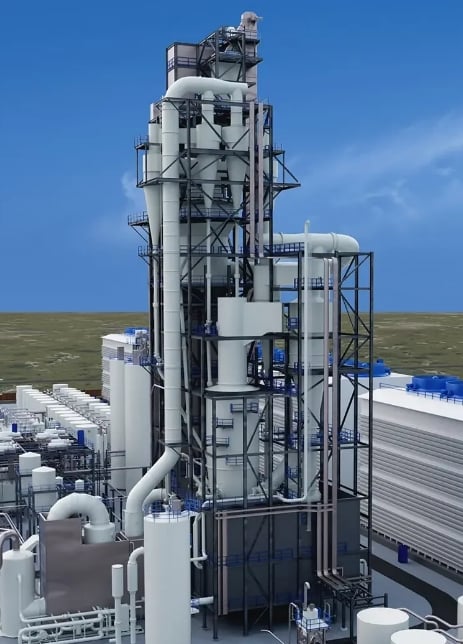
Backed by Occidental, 1PointFive draws on over 50 years of carbon management expertise and large-scale project experience to deliver DAC at commercial scale. The company uses Carbon Engineering’s DAC technology, sequestration hubs, and AIR TO FUELS® solutions to scale carbon removal.

Notably, NYK will source its CDR credits from STRATOS, 1PointFive’s first DAC facility in Texas, scheduled to begin operations this year.

They expect this facility to become the world’s largest DAC once operational. It can potentially capture 500,000 tonnes of CO2 per year. And future facilities will double that capacity.

1PointFive further highlights that their DAC system offers three clear benefits:

  • Durability: Geologic sequestration locks CO2 away for thousands of years.
  • Scalability: Companies can replicate DAC plants worldwide to meet demand.
  • Measurability: EPA-approved monitoring and reporting verify every tonne of CO2 removed.

By securing credits from STRATOS, NYK ensured transparency and accountability in its climate plan.

direct air capture 1PointFive
Source: 1PointFive

Anthony Cottone, President and General Manager of 1PointFive, noted,

“We’re excited to expand our partnership with NYK who has taken a leadership approach in decarbonization, and to demonstrate how Direct Air Capture is uniquely positioned to deliver durable and verifiable carbon removal,” said “By working together, we’re building a pathway to help the maritime sector take actionable steps to further sustainable operations.”

NYK’s Commitment to Net Zero by 2050

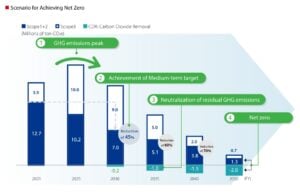
NYK pledged to reach net zero emissions by 2050 through a mix of reductions and removals. The two strategies include:

  • Efficiency First (until 2030): NYK improved vessel operations and ship designs to maximize energy efficiency and reduce emissions from its fleet.
  • Alternative Fuels (from 2030): The company plans to introduce zero-emission fuels like ammonia while ensuring they also meet safety and environmental standards.

For Scope 3 emissions, NYK works with partners to share data and build a low-carbon supply chain ecosystem. Significantly, it invests in Negative Emission Technologies (NETs) such as CCUS and carbon credits to eliminate unavoidable emissions. These steps support both decarbonization and marine biodiversity protection.

nyk emission
Source: NYK

Driving Innovation in Marine Fuels

NYK accelerated research into fuels that can replace heavy oil. Liquefied natural gas (LNG) serves as a bridge, but ammonia shows strong potential as a zero-emission alternative.

Ammonia does not release CO2 when burned, but it poses safety risks due to toxicity. Scaling its use also requires a new global supply chain. NYK, backed by Japan’s Green Innovation Fund, is leading this effort.

The company is developing the Ammonia-Fueled Ammonia Gas Carrier (AFAGC) with Japan Engine Corporation, IHI Power Systems, and Nihon Shipyard. After securing approval in principle in 2022, NYK is refining designs to launch the ship in 2026.

Expanding Carbon Credit Projects

NYK also invested in carbon credit initiatives to expand its climate impact.

  • Carbon-Neutral Shipping: In 2019, NYK became Japan’s first shipping firm to offer carbon offset services. In 2023, it launched the coal carrier Kagura for Chugoku Electric Power. The project used offsets to achieve theoretical zero GHG emissions for the entire voyage.
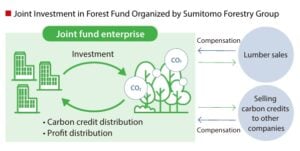
  • Forest Fund: The company partnered with Sumitomo Forestry to back a forest restoration fund that generates credits while protecting biodiversity.
  • Australian Projects: Through a joint venture with Mitsubishi Corporation, NYK invested in Australian Integrated Carbon Pty Ltd (Ai Carbon). By 2024, Ai Carbon absorbed 5 million tonnes of CO2 annually and set a goal of 100 million tonnes cumulatively by 2050.
Carbon credits NYK
Source: NYK

These investments give NYK valuable expertise in the growing carbon credit market.

DAC Carbon Credits: Expensive but Essential for Net Zero

Direct Air Capture (DAC) represents only a small share of the global carbon removal market but is expanding rapidly. Market reports say that the DAC sector, valued at $97.6 million in 2024, could grow to $1.7 billion by 2030, rising at more than 60% annually.

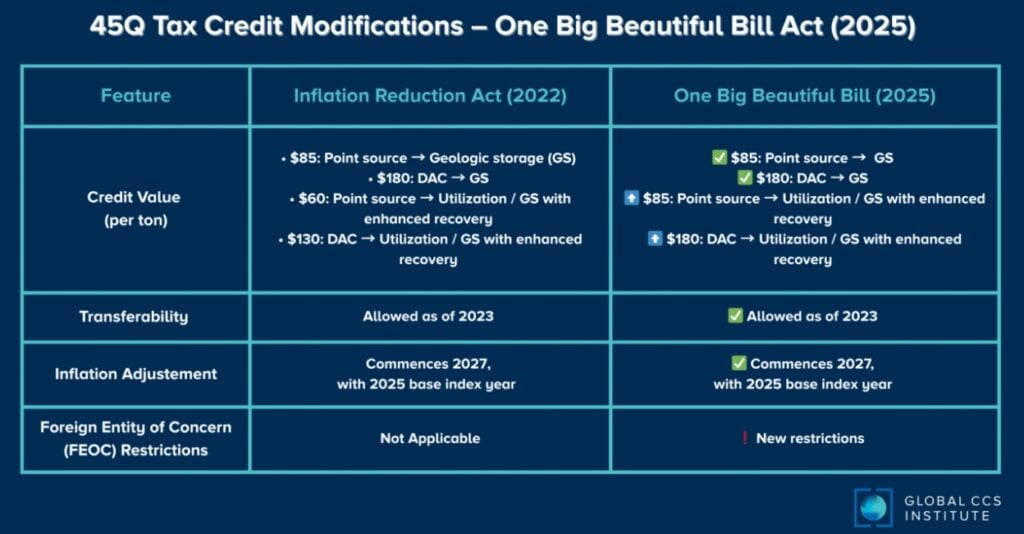
Governments are accelerating adoption with incentives and policy support. The U.S. offers 45Q tax credits of up to $180 per ton for DAC storage. Japan has already included DAC in compliance markets, and the EU is preparing carbon removal rules that may integrate DAC after 2030.

direct air capture tax

DAC credits remain costly, usually between $170 and $500 per ton, with some exceeding $1,000. The price reflects the difficulty of removing CO2 directly from the air and the long-term durability of storage. Despite the cost, buyers view DAC as the “gold standard” of offsets. Early demand helps scale projects, cut future costs, and strengthen climate action.

Most buyers purchase DAC credits directly from developers such as Climeworks and CarbonCapture, through platforms like Patch, or via advance agreements. Third parties verify credits, and buyers receive certificates and documentation once delivered.

Although expensive, DAC credits deliver measurable and durable removals, offering companies a reliable tool to reach net zero.

Now coming back to the maritime sector, it faces rising regulatory pressure and customer demand to decarbonize. However, NYK has set a clear roadmap to boost efficiency, adopt alternative fuels, and invest in carbon removal.

Through partnerships like 1PointFive for DAC credits, NYK is on the right track. Its actions show how shipping can pair innovation with carbon removal to achieve net zero and support global climate goals.

The post Maritime Decarbonization: Japanese Shipping Giant NYK Partners with 1PointFive for DAC Credits appeared first on Carbon Credits.
Tesla Stock Powers Ahead: Can TSLA Balance AI, EV Growth, and Net-Zero Goals?

Tesla Stock Powers Ahead: Can TSLA Balance AI, EV Growth, and Net-Zero Goals?

Tesla Inc. (NASDAQ: TSLA) remains one of the most closely watched companies in the global market. The company is known for leading in electric vehicles (EVs), artificial intelligence (AI), and clean energy. This has drawn both loyal fans and careful skeptics.

Tesla’s stock performance has been shaped by analyst upgrades, bold technological moves, and its growing role in sustainability and emissions reduction. This article looks at Tesla’s current status, recent changes, financial results, risks, and its long-term focus on sustainable innovation.

Analyst Upgrades Fuel Tesla’s 2025 Momentum

Tesla’s momentum in 2025 has been strengthened by positive analyst sentiment. Piper Sandler raised its price target from $400 to $500, keeping an “Overweight” rating. The firm pointed to Tesla’s advances in autonomous driving and robotics after reviewing progress during a research trip to China.

Analysts noted that while Chinese EV makers remain tough competitors, Tesla continues to lead in AI-driven mobility.

Another boost came from Baird analyst Ben Kallo, who upgraded Tesla to a “Buy” with a price target of $548. Kallo pointed out Tesla’s impact on “physical AI.” This area covers self-driving tech, humanoid robots, and energy storage systems. These endorsements boosted investor confidence. They show that Tesla is more than an automaker; it’s a tech company with wide-ranging applications.

Stock Market Performance and Investor Sentiment

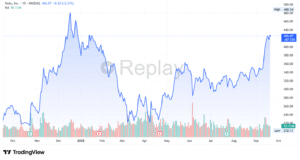
Tesla’s stock has seen both volatility and growth in 2025. On September 22, 2025, shares closed at $433.77, up 1.8% from the prior day. Intraday trading reached $444.84, moving closer to the 52-week high of $488.54. These gains have been partly fueled by analyst upgrades and upbeat investor outlooks.

Investor sentiment was further boosted by a $1 billion stock purchase by CEO Elon Musk. This was Musk’s first open-market buy since 2020 and was widely interpreted as a sign of his confidence in Tesla’s future. Following the purchase, Tesla’s stock rose 3.6%, adding to a broader upward trend in September.

tesla tsla stock price

Beyond Cars: AI, Robotaxis, and Humanoid Robots

Tesla has continued to push beyond its traditional EV business. In 2025, the company expanded its self-driving taxi service in Austin, Texas, with plans to extend operations to Nevada and Arizona. These robotaxi services are part of Tesla’s long-term vision to transform urban mobility through AI-driven transportation.

The company is also advancing its humanoid robot project, with sales expected to begin in 2026. The project is still in development, but it shows Tesla’s goal to use robotics in business and industry.

In addition, Tesla continues to strengthen its energy storage solutions. Battery innovations and big storage projects are key to its plan. They support renewable energy use around the globe. Together, these initiatives show Tesla’s effort to diversify and establish itself as a leader in both AI and clean energy.

Financial Results Show Strengths and Strains

Tesla’s most recent quarterly earnings reflected both progress and challenges. The company reported $22.5 billion in revenue, slightly below the market expectation of $23.18 billion. Earnings per share (EPS) were $0.40, missing the consensus forecast of $0.43.

Even with the earnings miss, Tesla’s market cap is still huge. Investors continue to trust its growth path, which keeps it among the world’s largest companies.

Analysts project Tesla will deliver around 495,000 vehicles in the third quarter of 2025, which could mark a new record. In 2026, forecasts show deliveries might reach about 1.9 million units. This includes the much-anticipated “Model 2.”

The Roadblocks: Competition and High Valuations

Tesla’s growth story is not without risks. The EV industry is getting more competitive. Established automakers and new companies are quickly expanding their electric lineups. In markets like China, Tesla faces pressure from lower-cost manufacturers who are rapidly scaling production.

Another concern is Tesla’s high stock valuation. At more than 168 times projected 2026 earnings, the company trades at a premium that some investors see as unsustainable.

Tesla’s investments in robotics also carry execution risk. Developing humanoid robots at scale will require breakthroughs in hardware, software, and AI integration. It also has to tackle regulatory issues and labor market challenges.

Driving Net-Zero: Tesla’s ESG Blueprint

Sustainability remains central to Tesla’s mission and identity. The company aims for net-zero emissions by 2040. They have set interim science-based targets. These targets are verified by external organizations.

Its ESG strategy focuses on several pillars:

  • Net-Zero and Carbon Emissions: Cutting greenhouse gases across Scope 1, 2, and 3 categories.

  • Circular Economy: Expanding recycling programs to reduce reliance on raw mineral extraction.

  • Battery Innovation: Increasing recovery of nickel, lithium, and cobalt from used batteries.

  • Water Stewardship: Moving toward water-neutral operations across global factories.

  • AI Supply Chain Optimization: Using predictive logistics to lower emissions in transport and distribution.

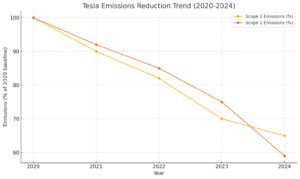
Tesla has already achieved measurable progress. Since 2020, it has reduced Scope 1 emissions by 35% and Scope 2 emissions by 41%, largely due to expanded on-site solar power. However, Scope 3 emissions remain the biggest challenge, making up about 84% of Tesla’s total carbon footprint in 2024.

tesla emissions reduction
Source: The Sustainable Innovation

The company is tackling this issue by working with suppliers to cut emissions. It also redesigns logistics networks and scales up recycling and energy efficiency programs.

The EV leader says its customers have avoided around 32 million metric tons of CO2 equivalent through its products. That’s a 60% increase compared to the previous year.

Key Emissions Progress and Other Sustainability Moves: 

  • Tesla has sold over 4.2 million EVs globally as of 2024.

  • It achieved about 82% renewable energy usage across its global manufacturing sites in 2024.

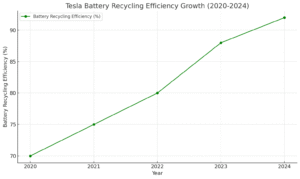
  • Battery recycling throughput rose by 34% year-over-year in 2024.

tesla battery recycling growth
Source: The Sustainable Innovation
  • Tesla’s Gigafactory in Berlin became net water-neutral in 2024 (it offset its freshwater use via reuse or treatment).

  • Average water use per vehicle produced is 2.5 cubic meters in 2024, which is about 35% less than typical auto manufacturing averages (~3.8-4.0 cubic meters).

The Bigger Picture: Tesla’s Role in the Transition

Tesla’s impact extends beyond its own operations. By expanding EV adoption, the company has helped reduce global dependence on fossil fuels. The International Energy Agency (IEA) reports that EVs cut over 80 million metric tons of CO₂ emissions globally in 2024. Tesla was the biggest contributor.

Its growing energy storage solutions help utilities balance renewable power grids. This cuts emissions from backup fossil fuel plants. For example, Tesla’s Megapack projects in California and Australia have already replaced thousands of megawatts of fossil-based generation capacity.

tesla energy storage
Source: Tesla

These developments position Tesla not only as an EV leader but also as a major player in global decarbonization efforts.

Tesla’s story in 2025 is one of growth, innovation, and risk. Strong analyst ratings, new technology, and eager investors have driven its stock performance.

Tesla’s most enduring advantage may be its commitment to sustainability. With significant emissions reductions already achieved and ambitious net-zero goals ahead, the EV giant is shaping the clean energy transition while maintaining its role as a technology leader.

As the company advances into 2026, investors and stakeholders will be watching closely to see whether Tesla can balance bold innovation with sustainable, long-term growth.

The post Tesla Stock Powers Ahead: Can TSLA Balance AI, EV Growth, and Net-Zero Goals? appeared first on Carbon Credits.