
Data Center Giants Enter Carbon Credit Market as Hyperscalers Fuel a New Green Tech Gold Rush
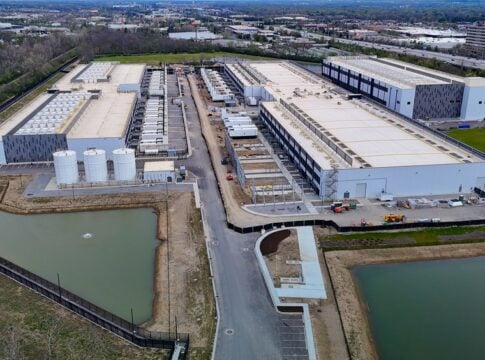
A data center firm backed by Oaktree Capital Management is planning to sell carbon credits directly to hyperscale cloud companies. These are large tech firms that run massive cloud and AI infrastructure.
The plan, reported by Bloomberg, reflects a new shift in how data centers approach climate action. Some firms are not just cutting emissions in their operations but are also exploring carbon markets. This helps them create extra revenue while reaching their sustainability goals.
Hyperscalers like Microsoft, Amazon, and Google have all set strong climate targets. Microsoft aims to become carbon negative by 2030, while Amazon targets net-zero carbon by 2040. Google aims for net zero emissions across its operations and value chain by 2030.
This growing demand for carbon reduction tools is creating new business opportunities across the digital infrastructure sector.
Why Data Centers Are Under Climate Pressure
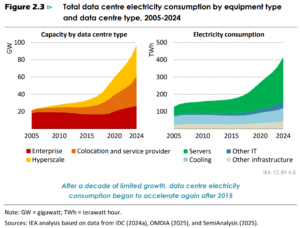
Data centers are now one of the fastest-growing sources of electricity demand. The International Energy Agency (IEA) reports that data centers, AI, and cryptocurrency used about 1.5-2% of global electricity in recent years. This demand is rising fast because of AI growth.
This matters because electricity use is closely tied to carbon emissions, depending on the energy source. As more digital services move to the cloud, emissions from power-hungry servers also increase.
Hyperscalers are now under pressure from regulators, investors, and customers to reduce their carbon footprint. Many companies have already improved energy efficiency and shifted to renewable energy procurement.
However, in many regions, a clean power supply is still not enough to fully match demand. This gap is where carbon credits are becoming more important.
How Carbon Credit Selling Would Work in Pure DC’s Removal Platform
Carbon credits represent verified reductions or removals of greenhouse gases. One credit usually equals one metric ton of carbon dioxide reduced or removed from the atmosphere. These credits could help tech companies meet their voluntary or regulatory climate goals.
In this case, the Oaktree-backed data center firm, Pure Data Centres (Pure DC), is launching a carbon removal credit platform for hyperscale cloud companies. The initiative will operate through its climate-tech unit, A Healthier Earth.
The move comes as AI and cloud computing sharply increase electricity demand and emissions from data centers. Many facilities still rely partly on fossil fuels for power.
Pure DC’s chief research and development officer, Alastair Collier, stated:
“This is about turning carbon removal into infrastructure, aligning organisations with the ambition to lead on climate with a platform designed and committed to deliver at scale.”
Pure DC is also expanding its infrastructure business. The company reportedly sought funding last year at a valuation of up to £5 billion ($6.7 billion). It plans to build AI-focused data center campuses across Europe and the UK with a combined target capacity of 3 gigawatts.
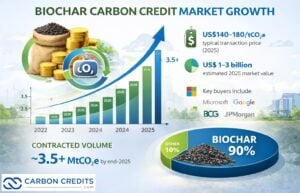
Its carbon credit strategy focuses on biochar. A Healthier Earth is developing a biochar project in Wiltshire, England. The process converts agricultural waste and biomass into a charcoal-like material that can store carbon for hundreds of years.
Gary Wojtaszek, Executive Chairman & interim CEO, Pure DC, remarked:
“What we’re doing at Pure DC is the first of its kind anywhere in the world. In Dublin we’ve demonstrated that net zero carbon, self-powered data centres are deliverable. Now, with our Biochar Integrated Carbon Removal from AHE, we’re making them scalable. This isn’t incremental improvement; it’s a complete reset of how this sector will be built going forward.”
Each credit will represent one metric ton of carbon dioxide removed from the atmosphere. Pure DC expects annual carbon credit supply to reach about 100,000 credits by 2029. That is equal to the yearly emissions of around 23,000 passenger cars.
The company plans to issue its first verified credits before the end of the year. Pure DC also said it will not use the credits for its own emissions. Instead, they will be sold to hyperscalers and other companies seeking to offset residual emissions.
Pure DC believes combining AI infrastructure with verified carbon removal services will help attract major cloud customers. The company is also building a self-sufficient data center in Ireland as part of its broader sustainability strategy.
This approach is part of a broader trend where infrastructure companies are blending physical decarbonization with market-based solutions. Companies are now looking beyond just renewable energy and efficiency upgrades. They are also using carbon markets to fill any emissions gaps.
However, carbon credit markets have faced criticism. Concerns include:
- Inconsistent quality,
- Risks of double counting, and
- Questions about real emissions reductions from some projects.
These issues have led to tighter standards and more scrutiny from buyers. Despite this, demand from large technology firms remains strong due to their aggressive net zero timelines.
Microsoft, Amazon, and Google Drive Demand for Carbon Solutions
The biggest driver of carbon credit demand is the rapid expansion of hyperscale computing. Cloud services, artificial intelligence, and data storage are all expanding at high speed.
Companies like Microsoft and Google have committed to 24/7 carbon-free energy goals in the coming years. This means matching electricity use with clean energy sources every hour of the day, not just annually.
Amazon has also expanded renewable energy investments across global operations. It has become one of the largest corporate buyers of renewable energy worldwide.
These companies still face a challenge. Clean energy availability is uneven across regions. Data center growth is also faster than renewable infrastructure expansion in many markets.
As a result, carbon credits are being used as a transitional tool. They help companies bridge the gap while long-term clean energy systems are built. This dynamic explains why infrastructure players are now entering carbon credit markets more directly.
Can Carbon Credits Keep Big Tech’s Net-Zero Promises Alive?
For hyperscalers, carbon credits offer flexibility but not a full solution. Most companies still prioritize direct emissions reductions as the main path toward net zero.
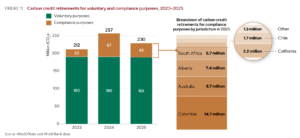
Across the broader market, corporate use of carbon credits has grown steadily. According to data from major market registries tracked by the Ecosystem Marketplace, companies retired hundreds of millions of carbon credits annually in recent years.
Per AlliedOffsets data, voluntary market retirements are estimated at around 190 million credits in 2023 and decreased to 188 million in 2025.
Carbon credits are generally seen as a supporting tool rather than a substitute for real emissions cuts. Many companies now prefer high-quality credits tied to verified carbon removal projects such as reforestation or direct air capture.
For data center operators, the move into carbon credit sales adds a new revenue layer. It also increases pressure to ensure transparency and credibility in emissions accounting.
A New Link Between Cloud Growth and Carbon Markets
The decision by an Oaktree-backed data center firm to sell carbon credits to hyperscalers reflects a broader shift in the tech and energy landscape. Data centers are no longer just infrastructure providers. They are becoming active participants in carbon markets and climate finance.
As demand for AI, cloud computing, and digital services continues to rise, energy use will also increase. This creates ongoing pressure for companies to balance growth with climate responsibility.
Carbon credits offer a solution to fill the gap. While not a complete solution, they are becoming more integrated into how large tech ecosystems manage emissions. The result is a new connection between digital infrastructure and global climate markets—one that is likely to grow as both sectors expand.
The post Data Center Giants Enter Carbon Credit Market as Hyperscalers Fuel a New Green Tech Gold Rush appeared first on Carbon Credits.